
Australia is a Caravanning Wonderland.
With our diverse landscapes, plentiful facilities and friendly people, it’s no surprise thousands of Aussies venture out with their caravan or trailer each year.
If you’re looking to join the ranks, it’s important to keep yourself and other road users safe.
WORDS: ANDREW RASCH
Caravanning is more popular than ever in Australia, with caravan and campervan registrations increasing by 27 per cent from 2019 to 2024, according to Tourism Research Australia. In fact, there are currently more than 900,000 caravans registered in Australia.
There’s a reason caravanning has grown in popularity in recent years. It’s the sense of freedom as you take in new sights, sounds and smells while towing your home on wheels and seeing where the wind takes you.
But there’s a downside. Towing a caravan or trailer is hazardous, and getting the basics wrong can lead to suspension failure, rolls, and road run-offs, not to mention trouble with the law.
Don’t Go Breaking my Axle
Whether you’re new or a seasoned caravanner, accurate information about caravan safety is key.
You’ll find opinions everywhere – family barbecues, Facebook, and your neighbours at the caravan park – but as Shane Shewring from TT Weigh in Darwin says, deal in facts, not advice.
“There’s more to safe caravanning than meets the eye,” Shane says.
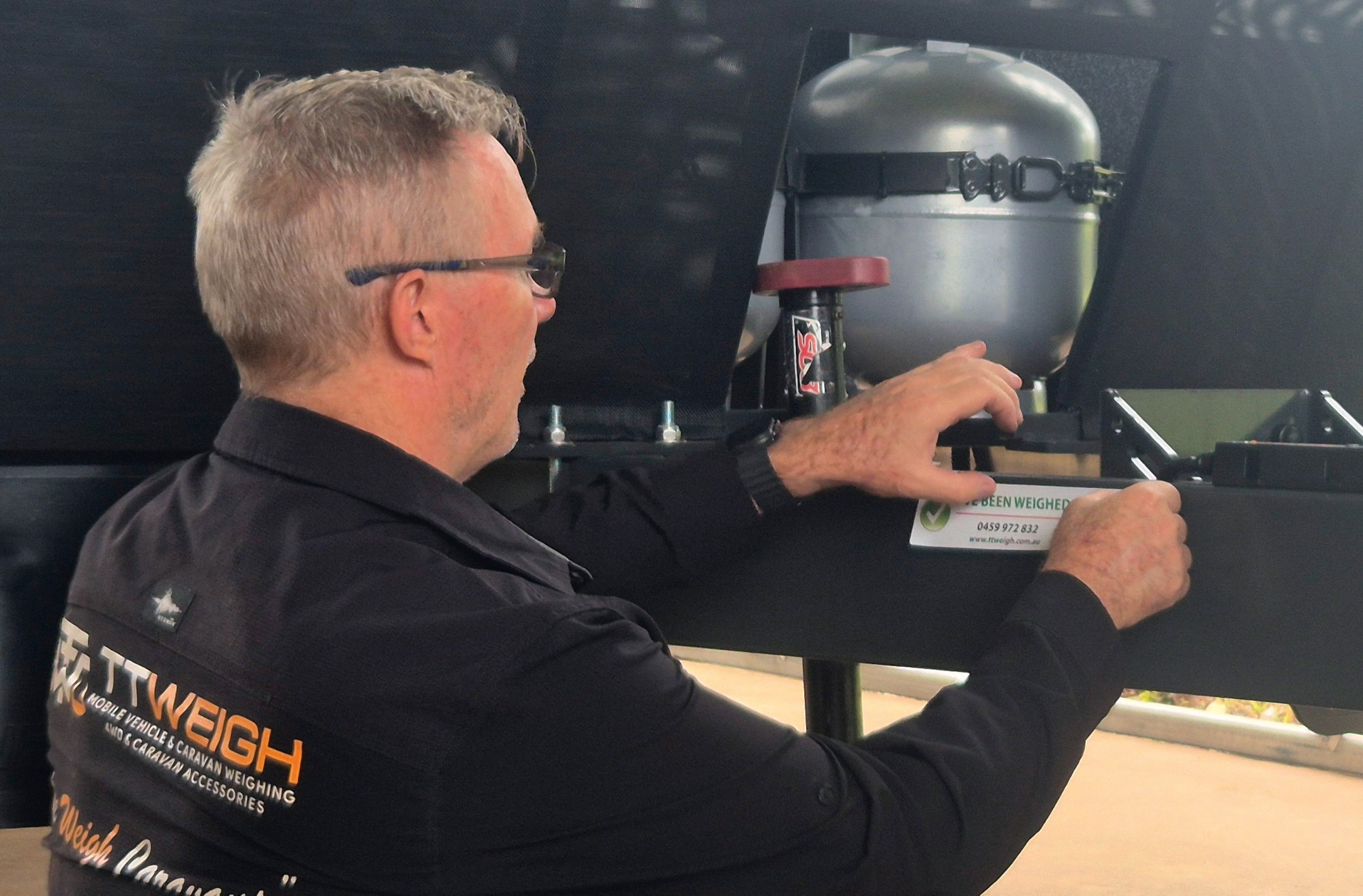
“Before you spend big money, get an expert to check your towing setup is fit-for-purpose, safe and legal.”
There are plenty of important technical terms caravanners should know. For example, the aggregate trailer mass (ATM), which is the rated carrying capacity a fully loaded caravan or trailer must not exceed. Another is the tow ball weight percentage, which is the downward force a trailer puts on the tow ball. It’s also critical not to exceed your tow vehicle’s rear axle weight limit when towing.
Two more terms to be aware of are gross vehicle mass (GVM) and gross combination mass (GCM). The GVM is the maximum legal weight of your single vehicle, including its own weight, plus the payload (passengers, fuel, equipment, cargo, etc.), which the manufacturer indicates on the compliance plate.
The GCM is the maximum total weight of your vehicle and any trailer(s) – such as caravans – plus the payload for both vehicles.
Buying a three-tonne caravan because your vehicle has a claimed three-tonne towing capacity might seem logical but proceed with caution. The GCM is the figure you need to pay attention to, so consider what you’re taking with you. How many passengers are on board and are they adults or kids? What’s the weight of the fuel, water, fridges and gas bottles you’re carrying? Remember to factor in after-market equipment, such as bull bars, snorkels, roof racks, canopies and winches.
Exceeding or misjudging the towing limits for your vehicle(s) can affect your stability and control on the road and can easily cause a crash. It can lead to broken axles (or worse) and potentially void any insurance claims from an incident.
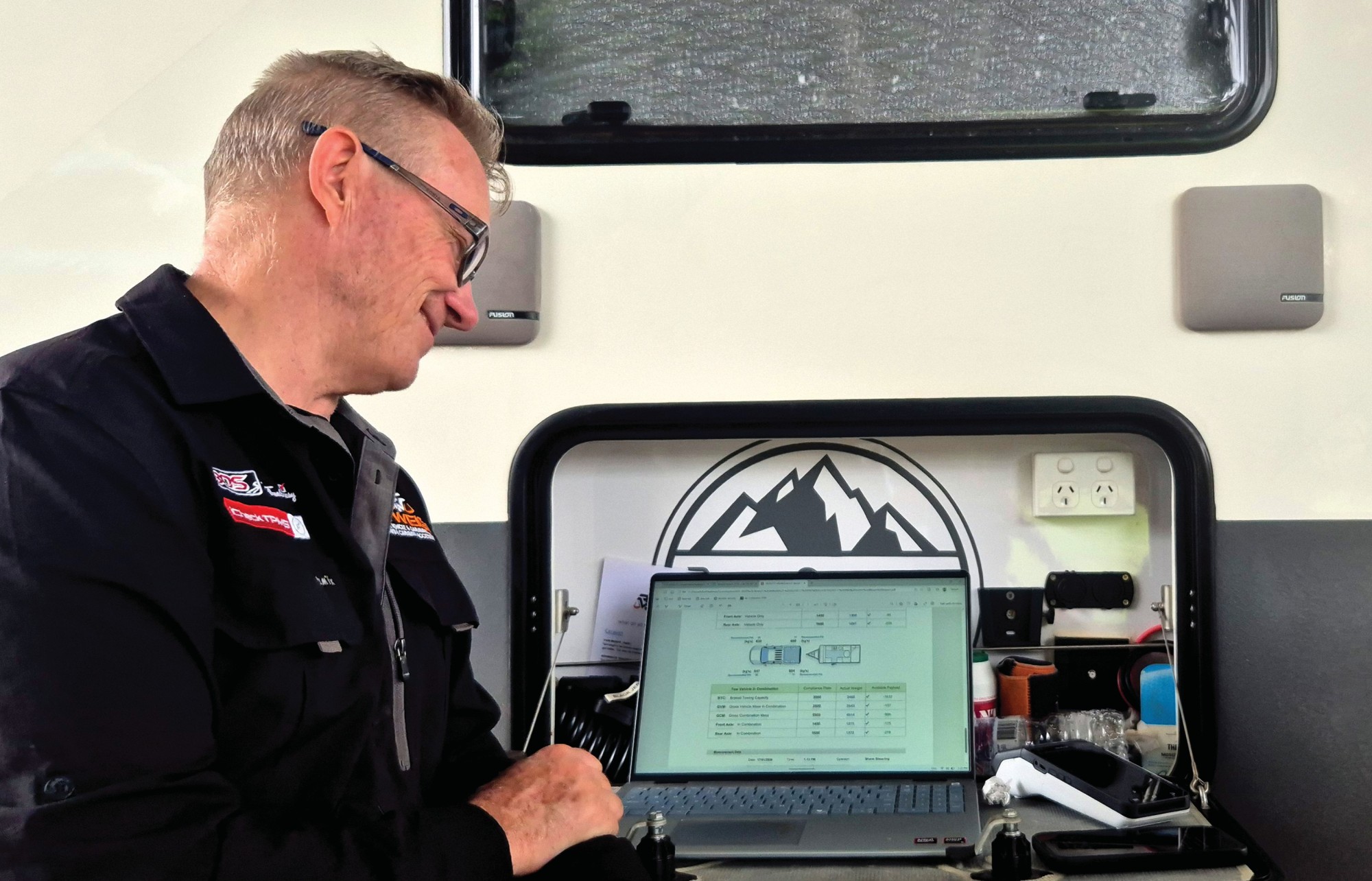
Rather than guess whether your setup is compliant and safe, consult a specialist service provider to have your vehicle and caravan weighed and assessed. Along with peace of mind, you’ll find information about balancing your vehicle and caravan’s load, and any special equipment you may need, such as towing mirrors, heavy-duty towbars, safety chains and wiring. If you haven’t yet bought a caravan, you can also find out which brands and models might be the best fit for you.
Do You Really Need It?
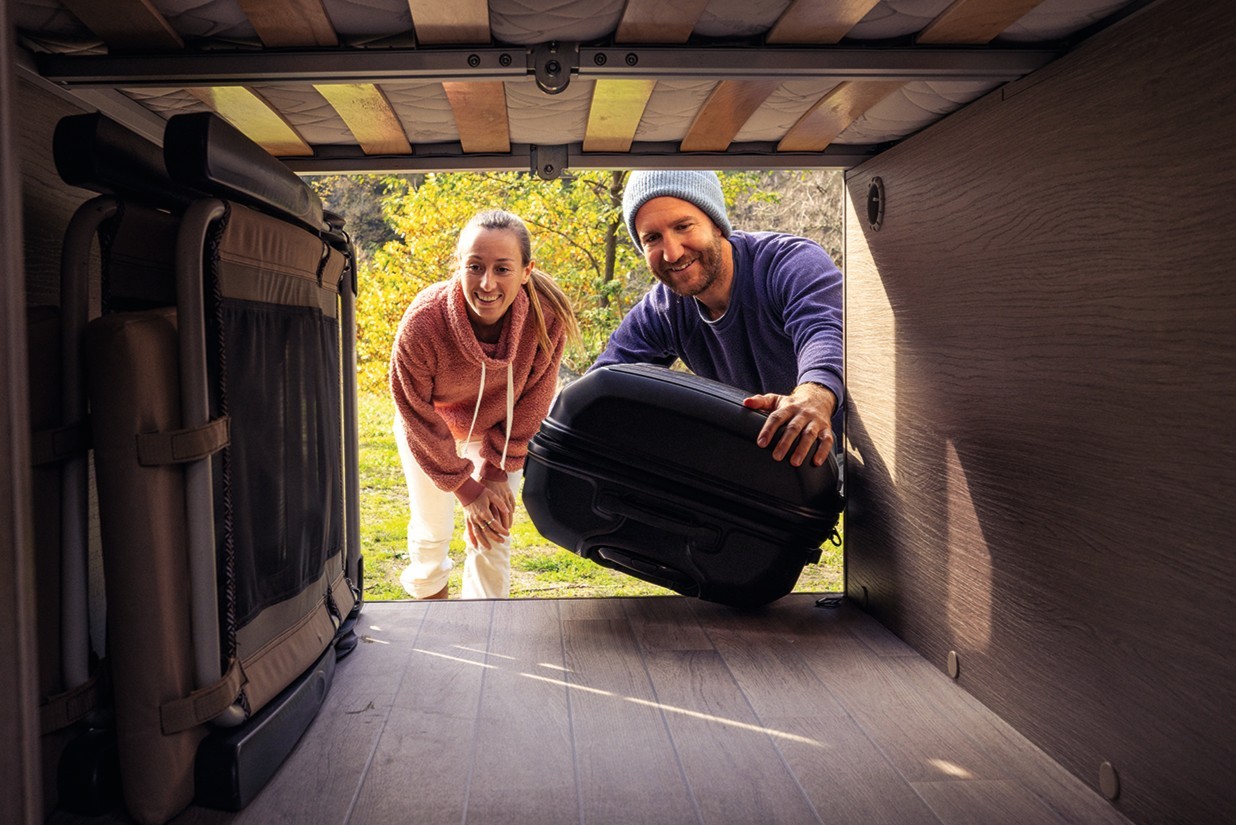
When deciding what to take on your trip, consider the available space and your vehicle’s weight limit. Only pack essential items and keep heavy items as low as possible.
When you’re packing your caravan, distribute the weight evenly and pack the heaviest items above the axles to help avoid swaying while you’re on the road. If you have a roof rack or cargo bag, limit it to lighter luggage, such as camping chairs and small tents.
Shane says caravans aren’t all created equal and some of the storage space may only be for show.
“Just because there’s space, doesn’t mean you have to fill it,” he says.
“Before having your towing vehicle and caravan weighed, pack them as you normally would on a trip. That way, we can measure your GCM and advise ways to distribute the weight more evenly.”
Packing needs differ but try to stick with a general rule: the less luggage you take, the better.
Practice Makes Perfect
You’re all set. Your vehicle and caravan meet the legal and safety requirements, and you’ve packed like a pro. Time to hit the road, right? Maybe, but consider what you’re about to do. Towing a heavy, boxy caravan isn’t the same as taking a trailer load of green waste to the local dump.
If you’re a beginner, or even an experienced caravanner, a caravan and trailer towing course is a worthwhile investment. These courses aim to teach you important skills, such as how to set up your mirrors, brakes and wiring, safe towing techniques and how to handle swaying, reversing and other manoeuvres.
Once you’ve done your course, practise towing your caravan on quieter roads at lower speeds until you get used to how it handles. Make sure you know how to check your lights are working and ensure your tyres (including spares) are inflated to the right pressure.
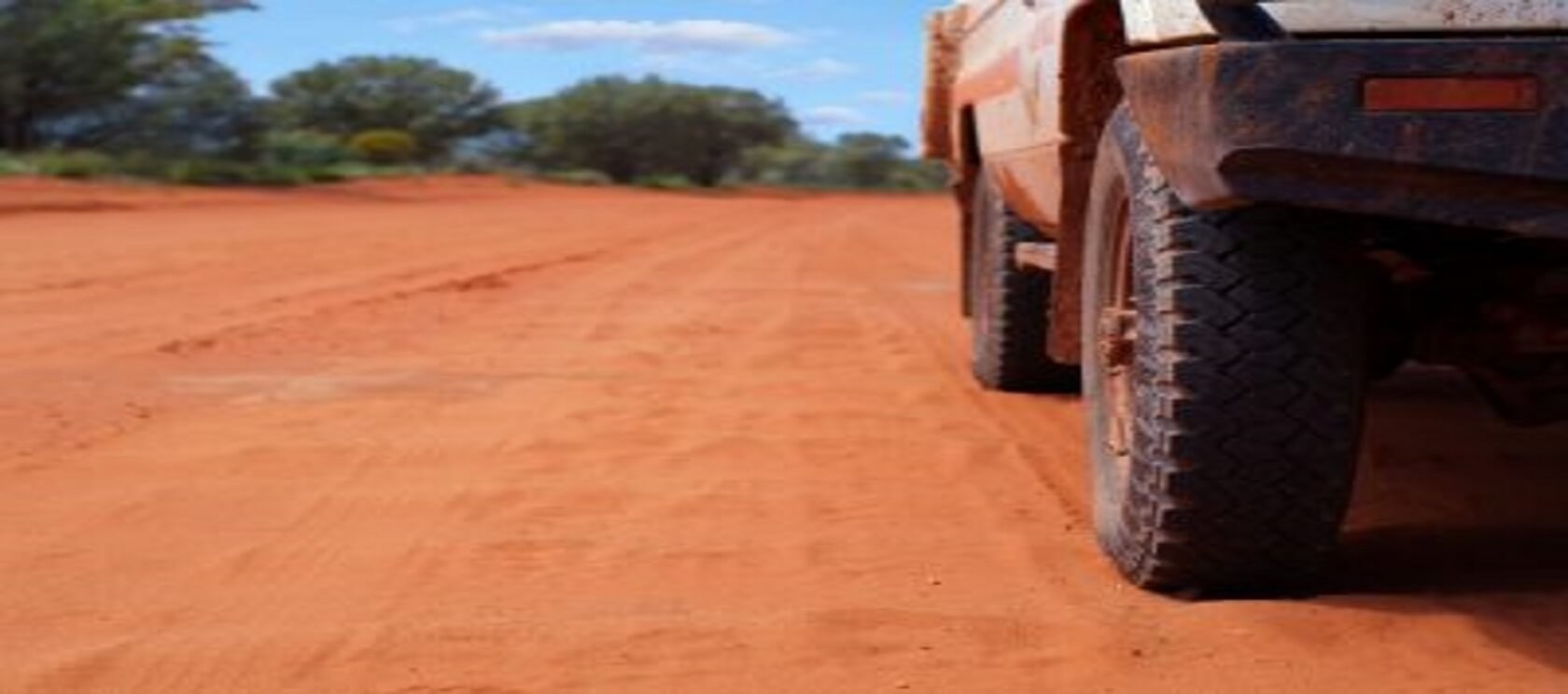
When you’re on your trip, drive to the conditions. Towing a caravan at higher speeds, particularly on one of the Territory’s many unsealed roads, can be fraught with danger, so it’s best to reduce your speed and get to your destination safely and without incident.
Be aware of looming weather and road conditions, particularly flooding risks. With your caravan in tow, your stopping distance will also increase, so keep an adequate gap between you and the vehicle in front.
Shane says functioning equipment is crucial for safe and hassle-free towing.
“Check your towing equipment regularly and make sure your tow balls and pins are tight,” he says.
“Worn threads and loose fittings can have devastating consequences, including caravan detachment.”
What if Something Goes Wrong?
All the planning in the world can’t stop some mishaps from occurring. But if you break down, follow these rules for added safety.
• Try to pull over somewhere safe and off the main road.
• Switch on your hazard lights to improve your visibility.
• Be aware of other traffic, especially in high-speed zones or if young children are with you.
• If you have AANT Road Service, call 13 11 11 for assistance.
• Wait for road service in your car if possible or find a safe spot nearby, such as behind a safety barrier.