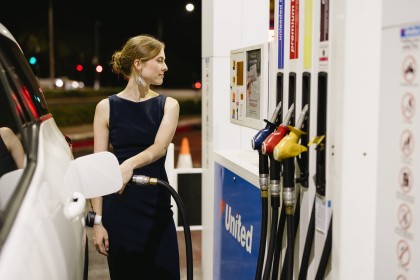
How novated leasing can reduce the real cost of fuel.
Fuel prices have been steadily increasing across Australia, and the Northern Territory is feeling it more than most.
With long distances between destinations and a high number of 4WDs and utes on the road, fuel is one of the largest ongoing costs of owning a vehicle in the Territory.
As of 9 March 2026, diesel fuel is sitting at around $2.30* per litre, and many forecasts suggest prices could climb even higher.
However, for many workers using novated leasing, the real cost of fuel can be significantly lower than the price shown at the pump.
Here’s how it works:
Step 1: AANT Member Fuel Discounts
As an AANT member, drivers can receive 8 cents per litre off fuel at participating stations.
Using the current diesel price of $3.00 per litre, that immediately brings the price down to: $2.92 per litre
Step 2: GST Savings
When fuel is purchased through a novated lease, the GST component can be claimed.
This effectively removes the 10% GST from the fuel cost.
Using the discounted price of $2.92 per litre, removing GST reduces the cost further to approximately: $2.65 per litre
Step 3: Paying for Fuel with Pre-Tax Income
One of the key benefits of a novated lease is that fuel can be paid for using pre-tax salary instead of your after-tax income.
That means you are not paying the full pump price from money that has already been taxed. Instead, the cost comes out of your salary before tax is applied, which reduces the effective cost of fuel.
For someone earning $70,000 per year, this can make a noticeable difference.
At that income level, the marginal tax rate is 30%, and with the 2% Medicare levy, the total tax saving is around 32%. Because fuel is deducted before tax, you are effectively saving that 32% on the fuel cost.
Using that approach, the approximate effective fuel cost looks like this:
| Pump Price | Effective Cost |
| $2.50 | $1.50 |
| $2.75 | $1.65 |
| $3.00 | $1.81 |
| $3.20 | $1.93 |
This means that when fuel is $2.50 per litre at the pump, a novated lease driver on a $70,000 salary may be paying an effective cost closer to $1.50 per litre.
Overall, that represents a saving of around 40% on fuel cost.
*Prices are correct at the time of publication
Higher Salaries Can Increase the Savings
The example above assumes an annual salary of $70,000.
Because novated leases use pre-tax salary deductions, people in higher tax brackets can often see even greater savings.
For some drivers, the effective reduction in fuel costs can approach 50% compared with paying for fuel with after-tax income.
See What It Could Look Like for You
Everyone’s situation is different. The best way to understand the potential savings is to run the numbers based on your own salary and vehicle choice.