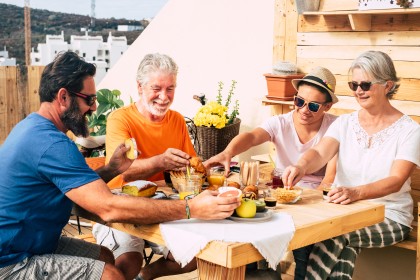
Some trips are planned around landmarks or scenery. Others are built around what you’re going to eat.
Food-focused travel is about more than trying a few well-known dishes. It is about understanding how a place eats. Where locals gather. What changes with the seasons. What is cooked at home versus ordered out. The small details that never quite translate overseas.
If you love food and want a trip that feels immersive rather than checklist-driven, these destinations offer genuinely distinct culinary experiences.
Malaysia: Where Variety Is the Main Attraction
Malaysia is often described as one of Asia’s strongest food destinations, and much of that comes down to cultural layering. Malay, Chinese, Indian and Peranakan influences sit side by side, often within the same street.
Hawker centres and open-air food courts are central to daily life. You will find communal seating, multiple vendors cooking different dishes, and families returning to the same stall for years.
What to eat
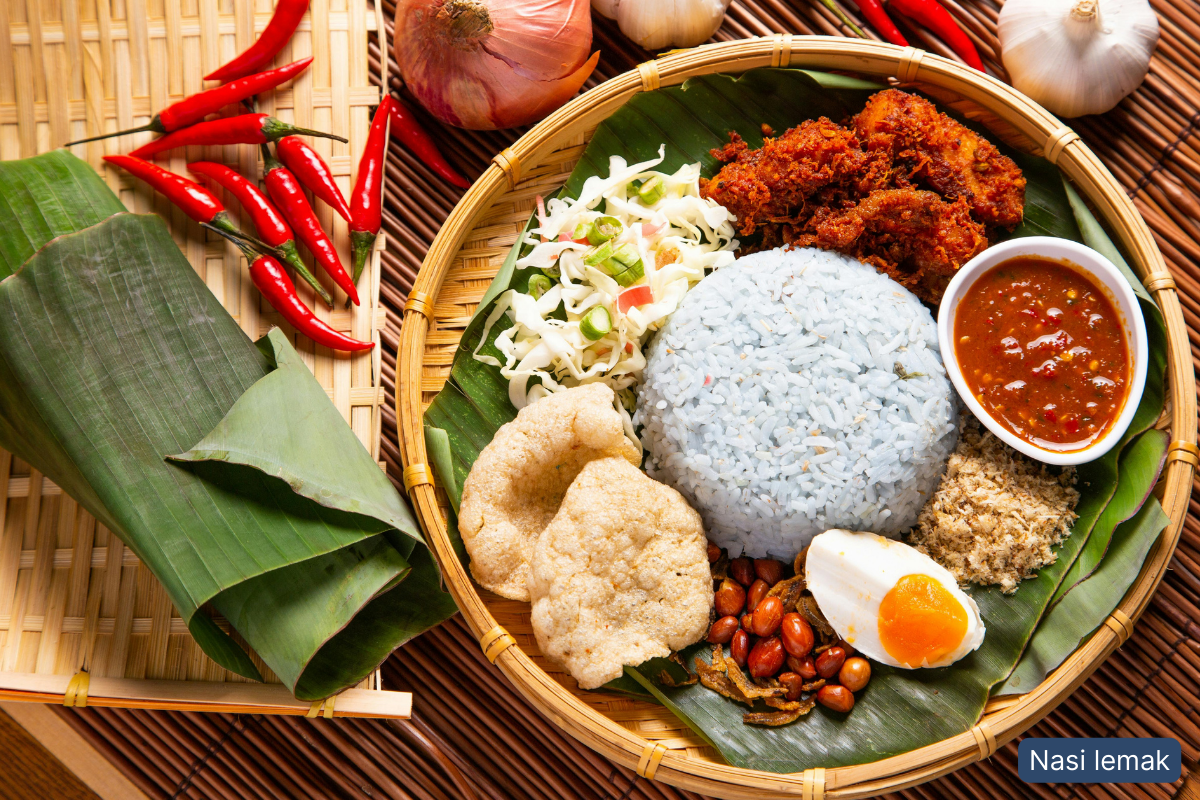
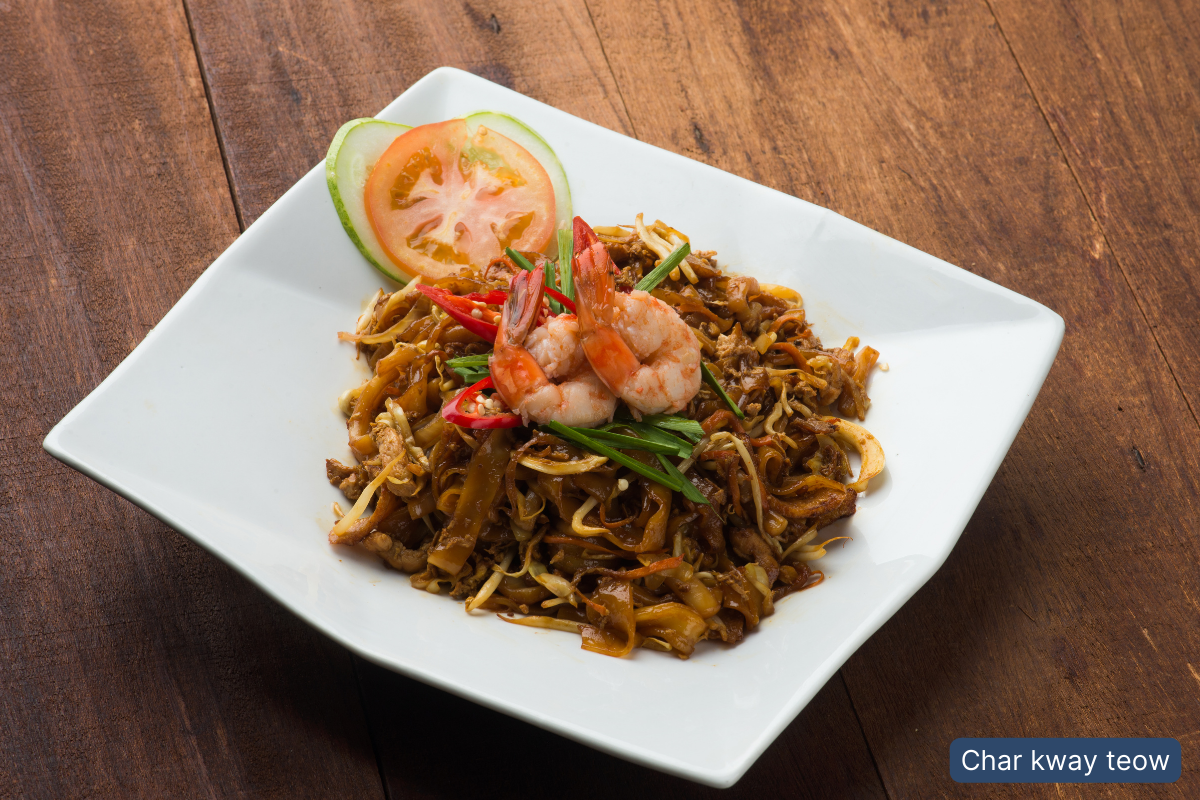
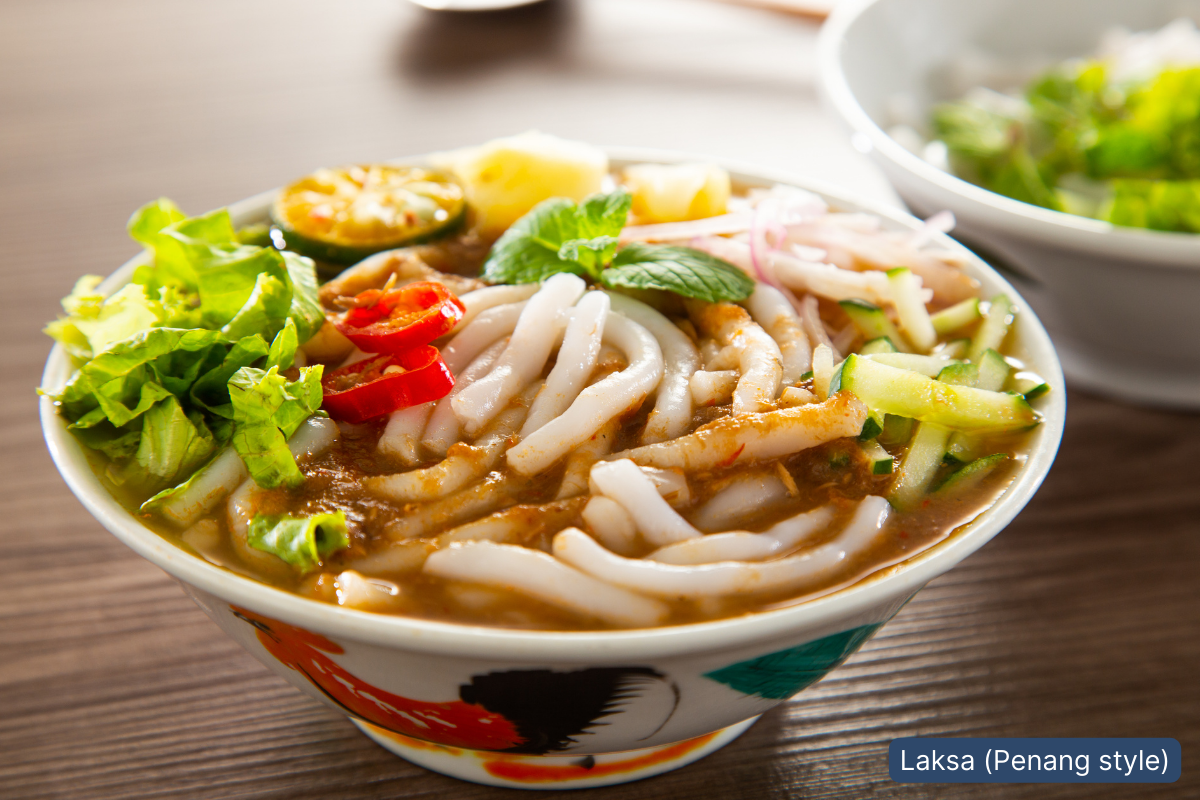
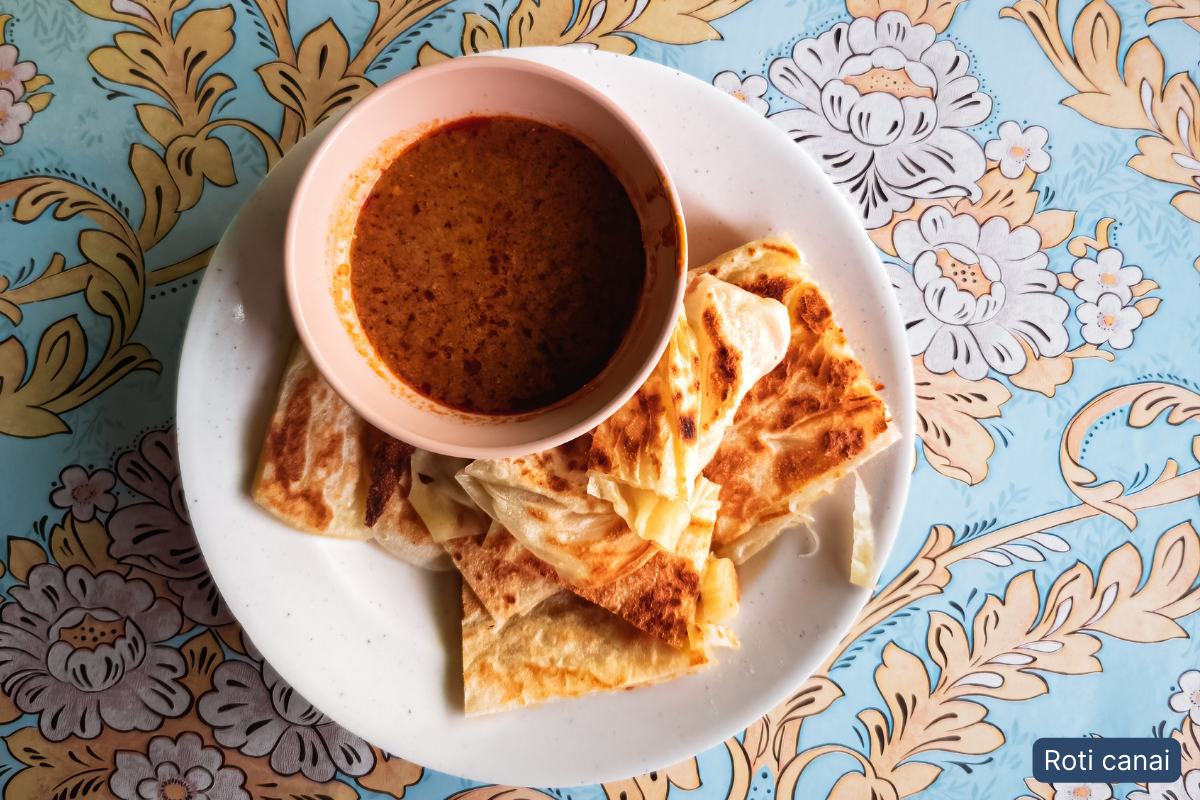
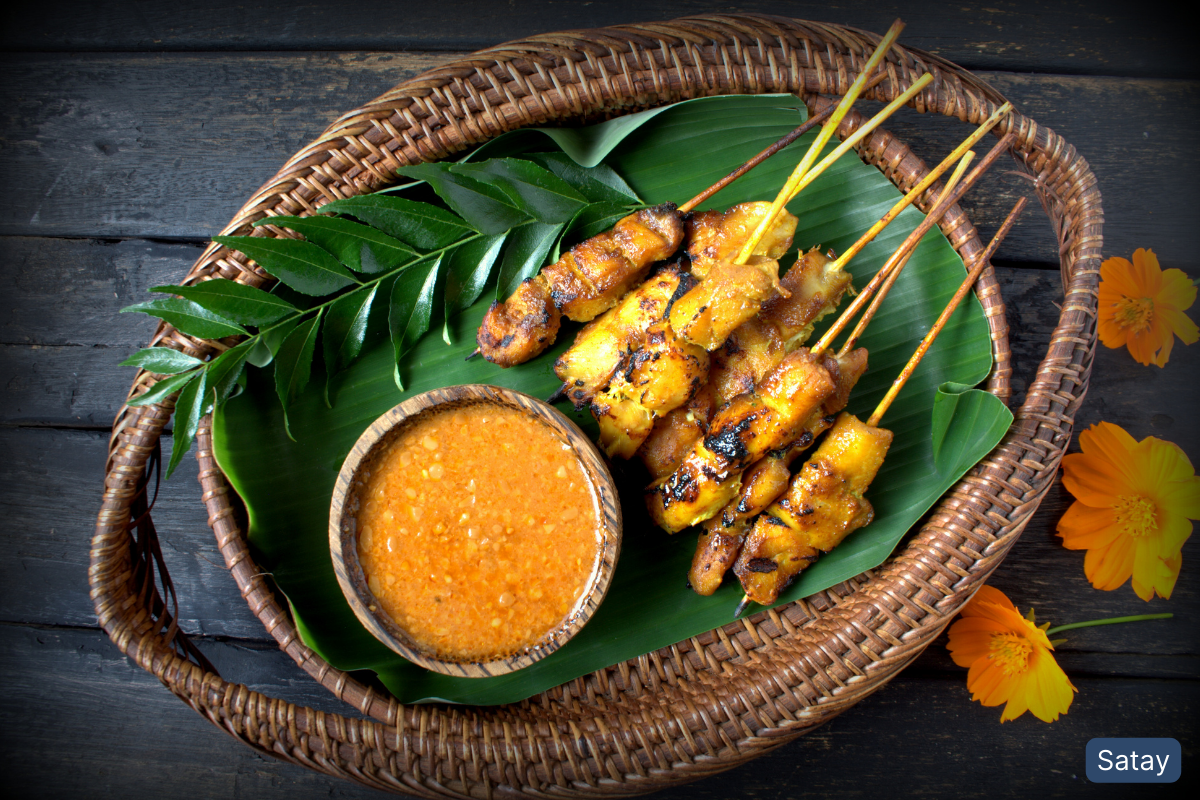
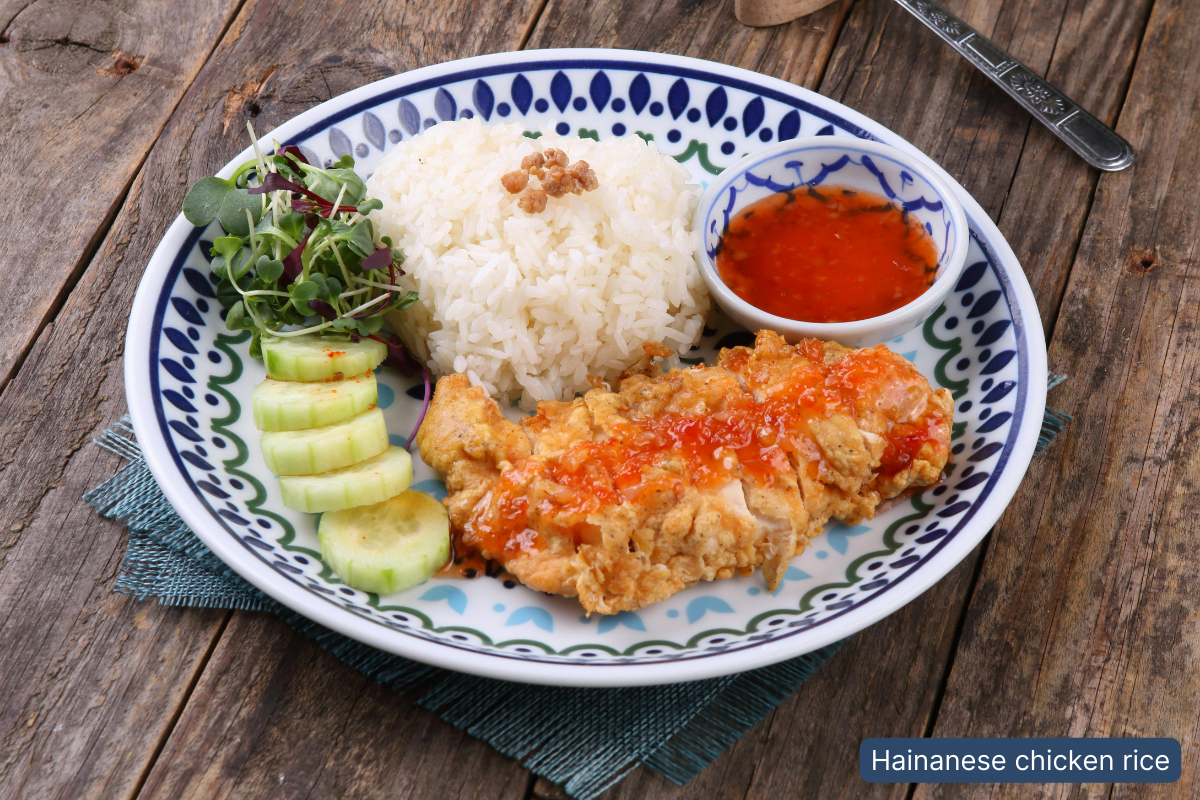
Where to focus your time
Penang, particularly George Town, is widely recognised for its street food culture. Kuala Lumpur offers scale and diversity, while Melaka provides strong Peranakan heritage flavours.
What makes it worth travelling for
Laksa alone varies dramatically between regions. The broth, spice balance and toppings shift depending on where you are. Trying the same dish in different places becomes part of the experience.
Practical tip: Visit hawker centres at peak times. High turnover is often a good sign and you can see what locals are ordering.
Greece: Ingredient-Driven and Deeply Regional
Greek food is familiar to many Australians, particularly in the Northern Territory where Greek communities have long been part of the cultural fabric. But eating Greek food in Greece is different.
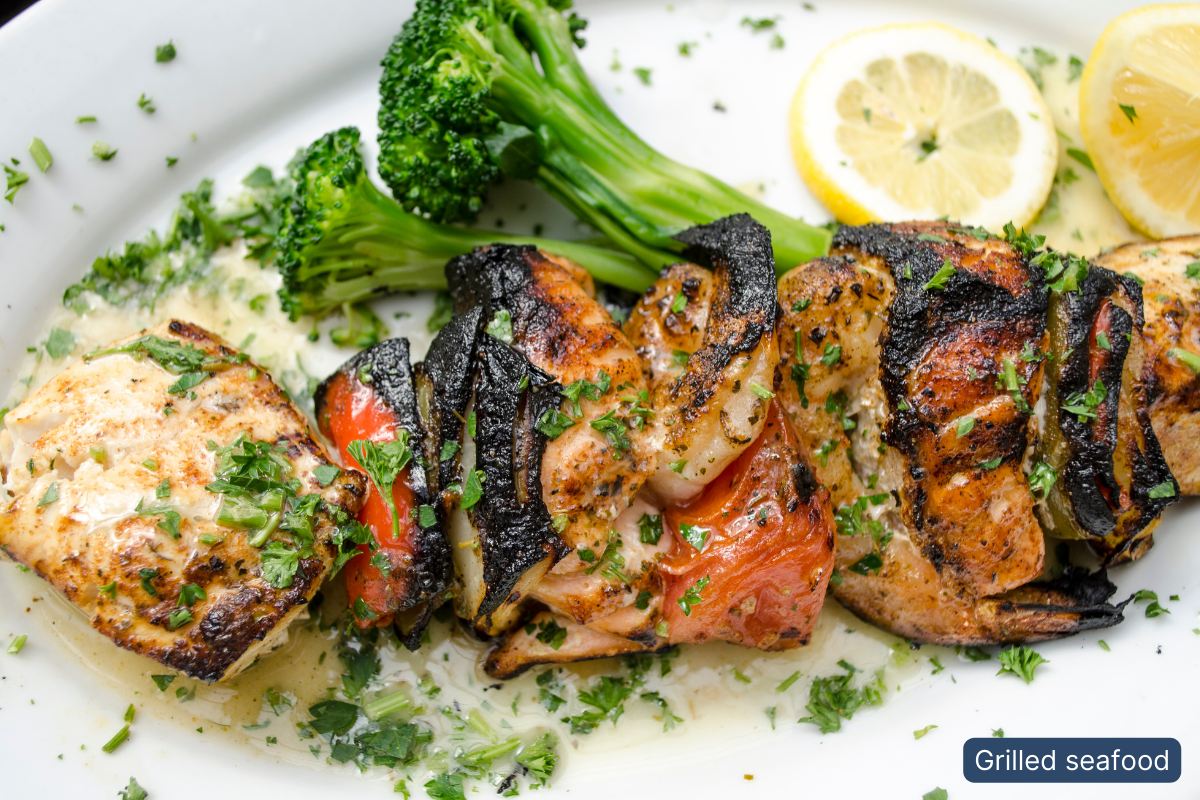
The emphasis is often on seasonality and locality. In Crete, wild greens known as horta appear regularly. On the islands, seafood reflects what was caught that morning. Tavernas in smaller towns may not even offer a printed menu. You eat what is available and in season.
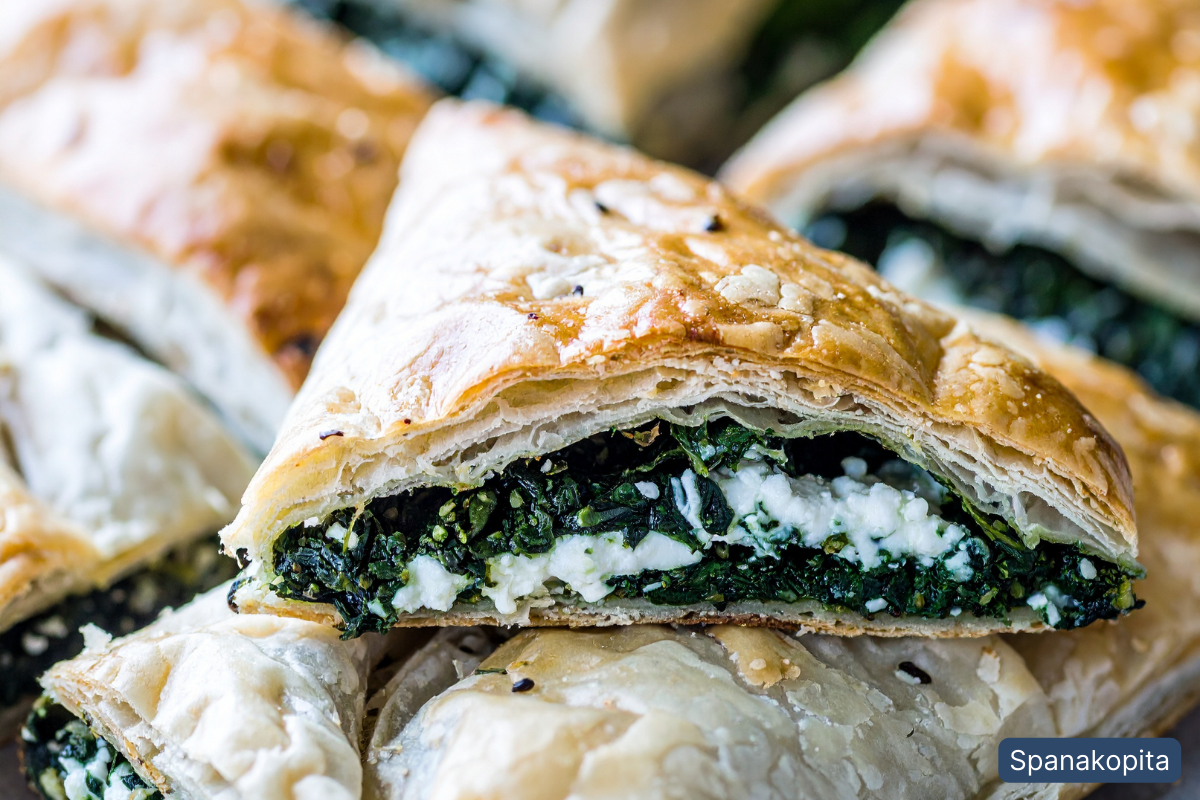
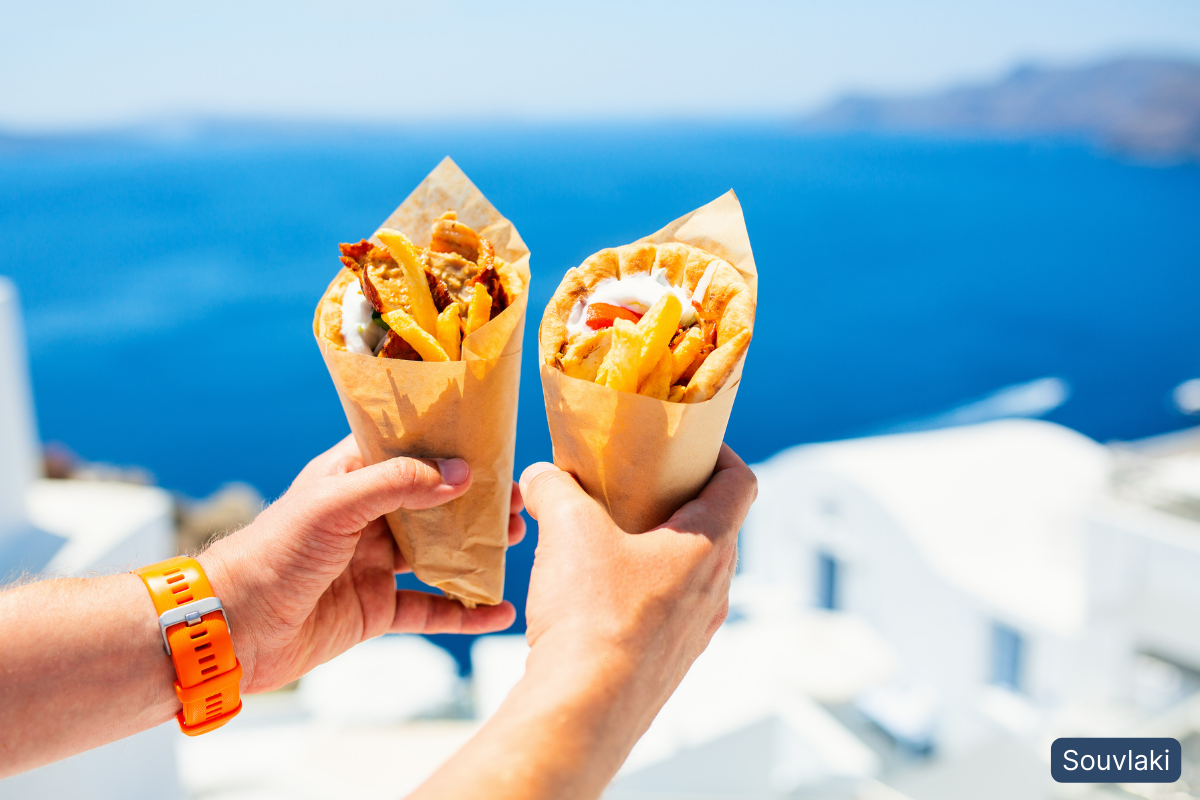
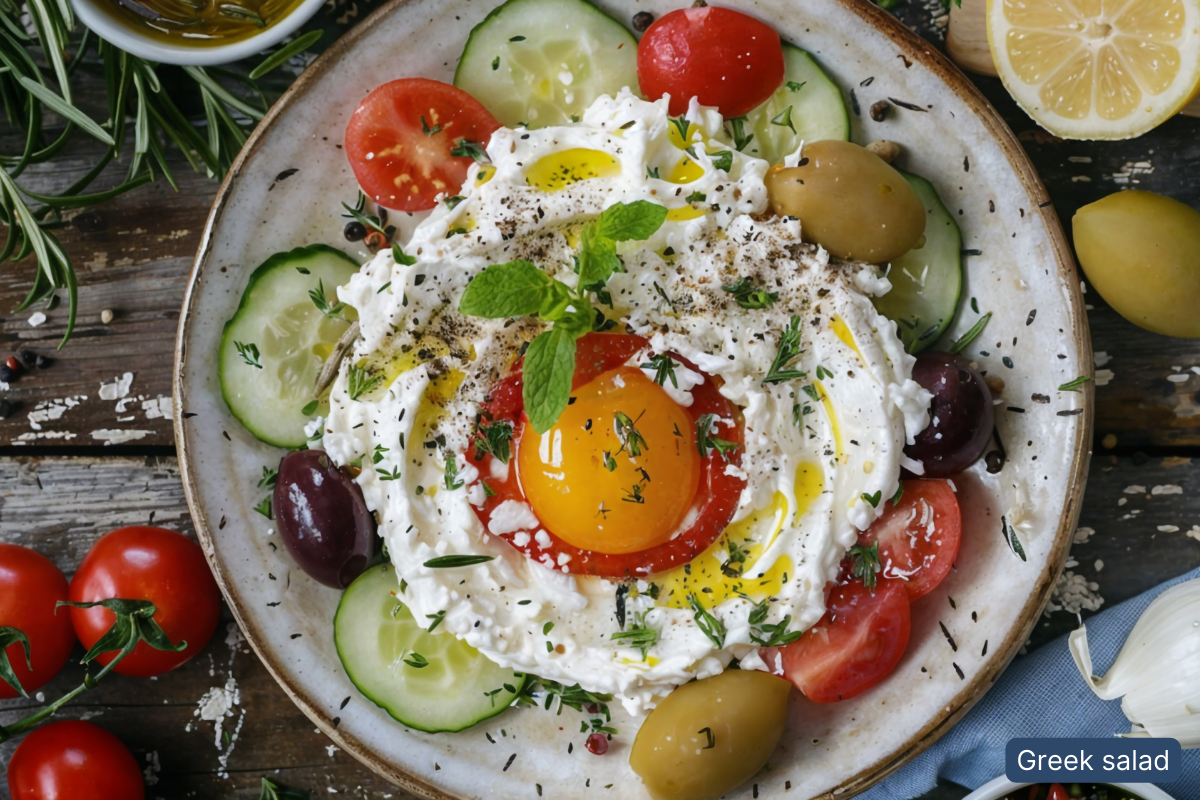
What to eat
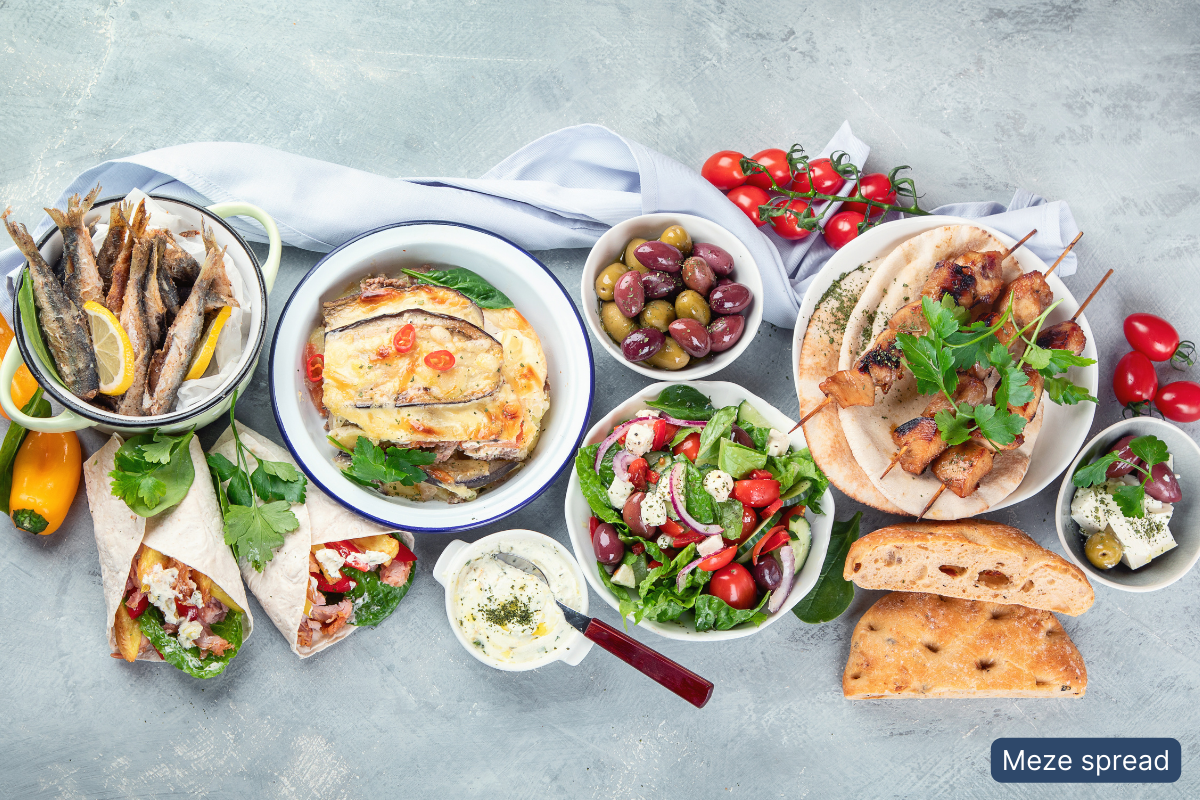

Where to focus your time
Athens now balances traditional tavernas with contemporary Greek dining. Crete has one of the strongest regional identities in the country. Smaller islands often offer the most relaxed and produce-driven meals.
What makes it worth travelling for
The quality of olive oil, tomatoes and local dairy can make even the simplest dishes taste noticeably different. Many travellers are surprised by how varied Greek cuisine feels from region to region.
Practical tip: If a taverna has a short menu and is busy with locals, that is usually a good sign.
South Korea: Markets, Fermentation and Late-Night Dining
South Korea’s food culture is energetic and social. Meals are rarely solitary, and the side dishes, known as banchan, change depending on the restaurant and season.
There is a strong fermentation tradition that shapes flavour profiles. Kimchi alone exists in hundreds of variations. Street food districts and traditional markets are central to the experience, particularly in Seoul.
What to eat
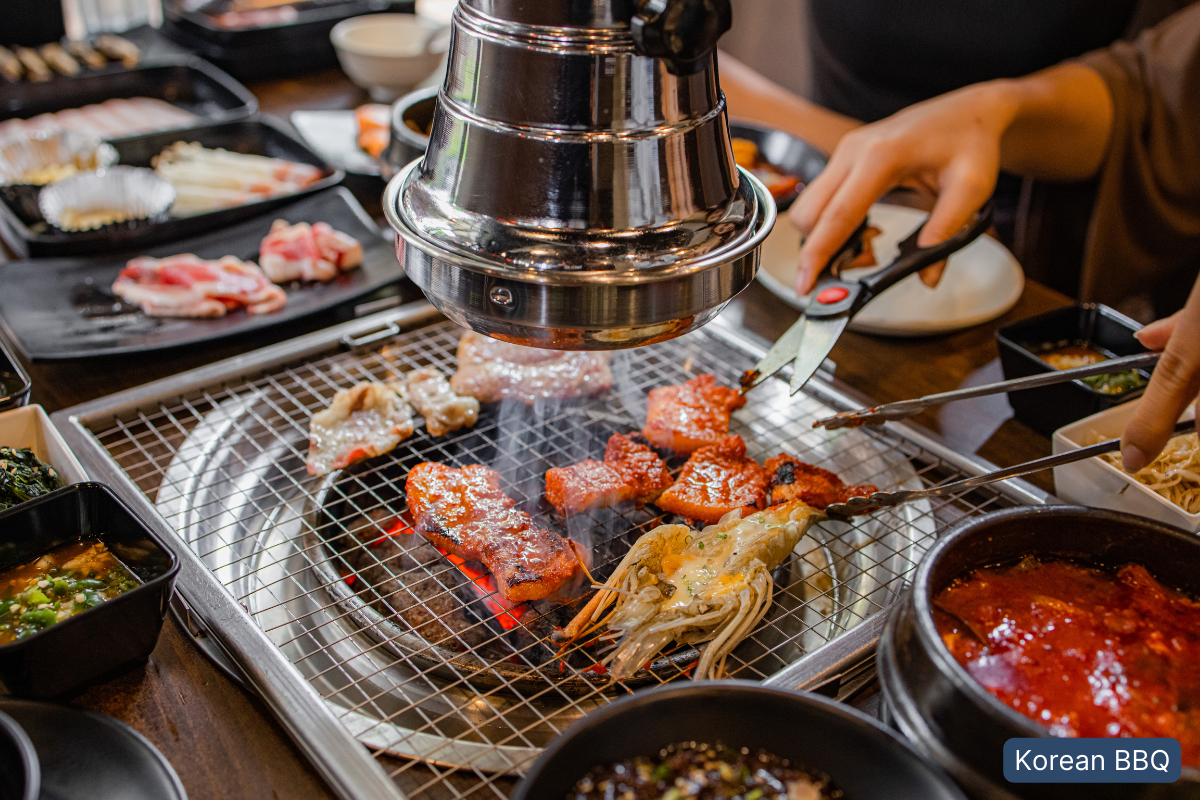
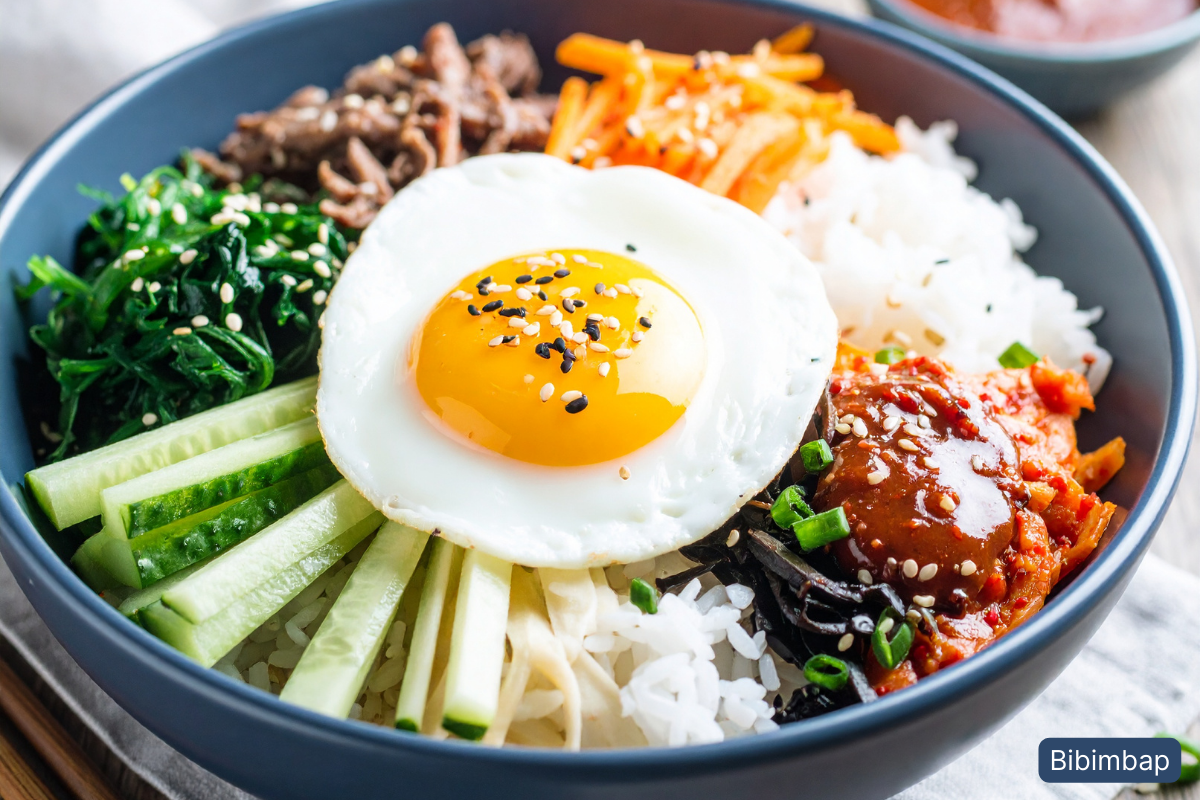
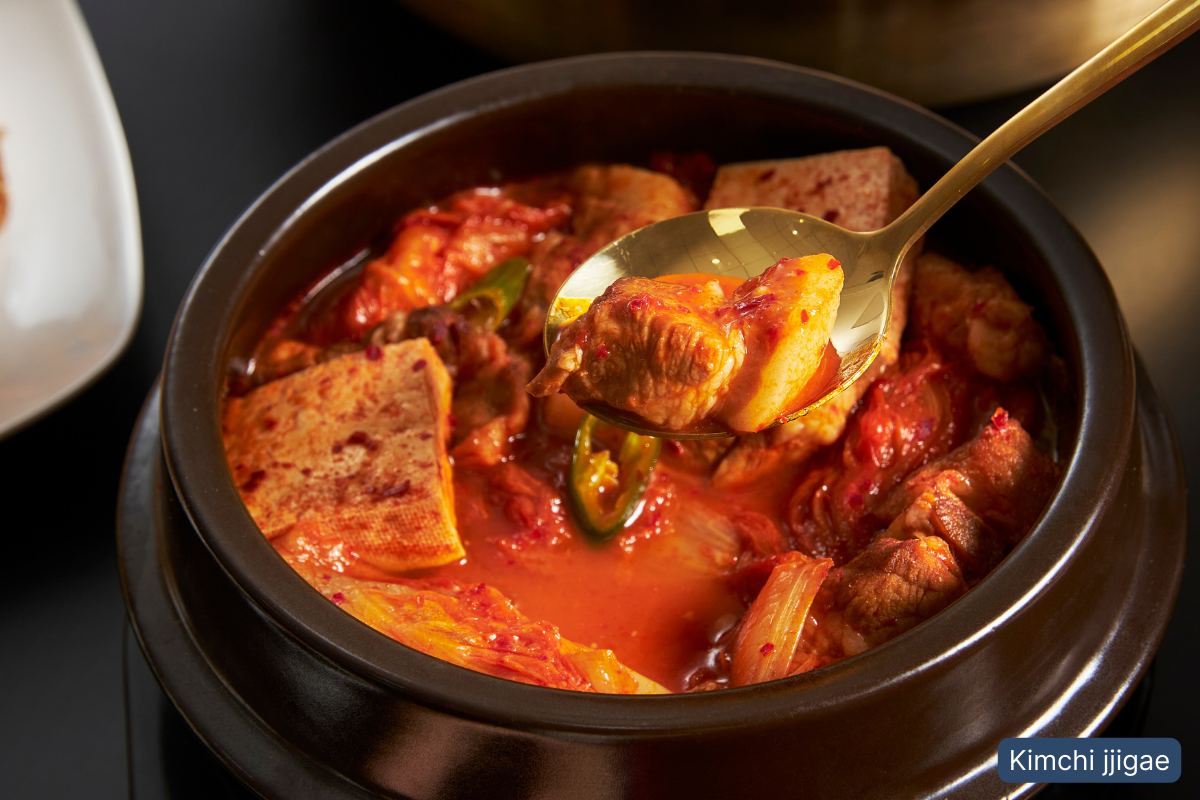
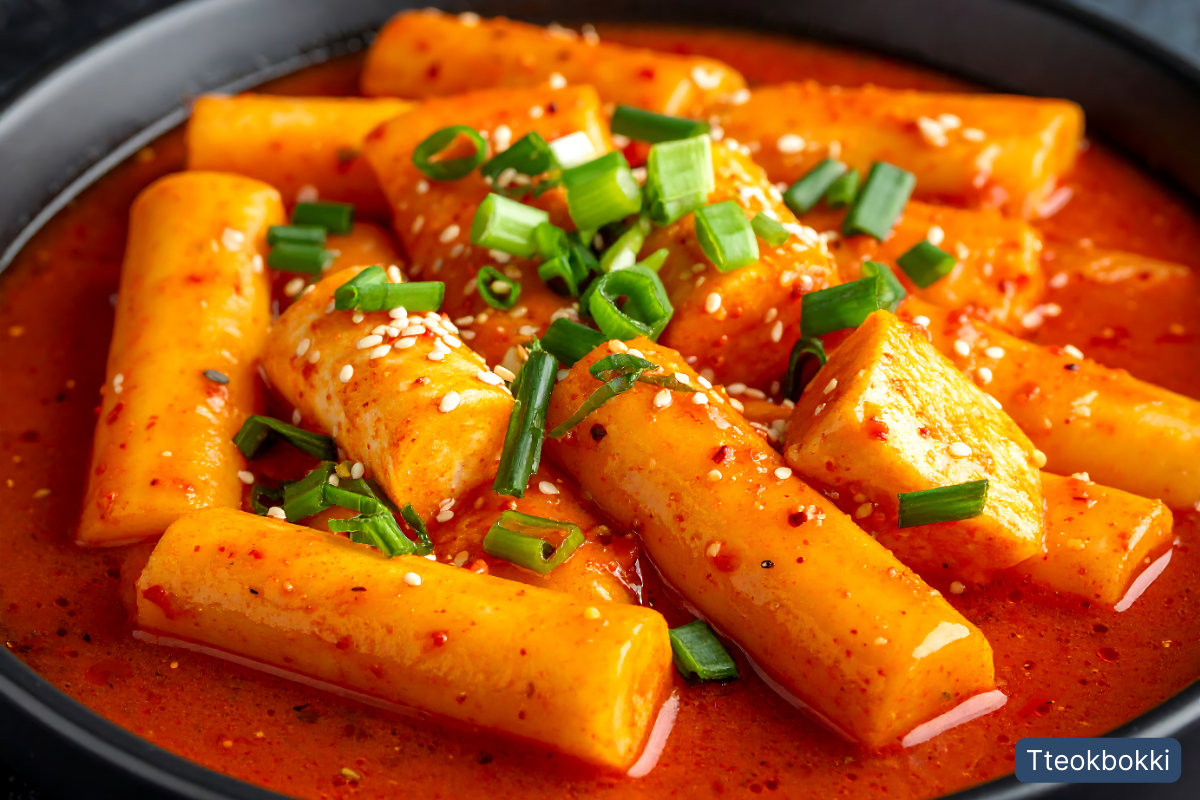
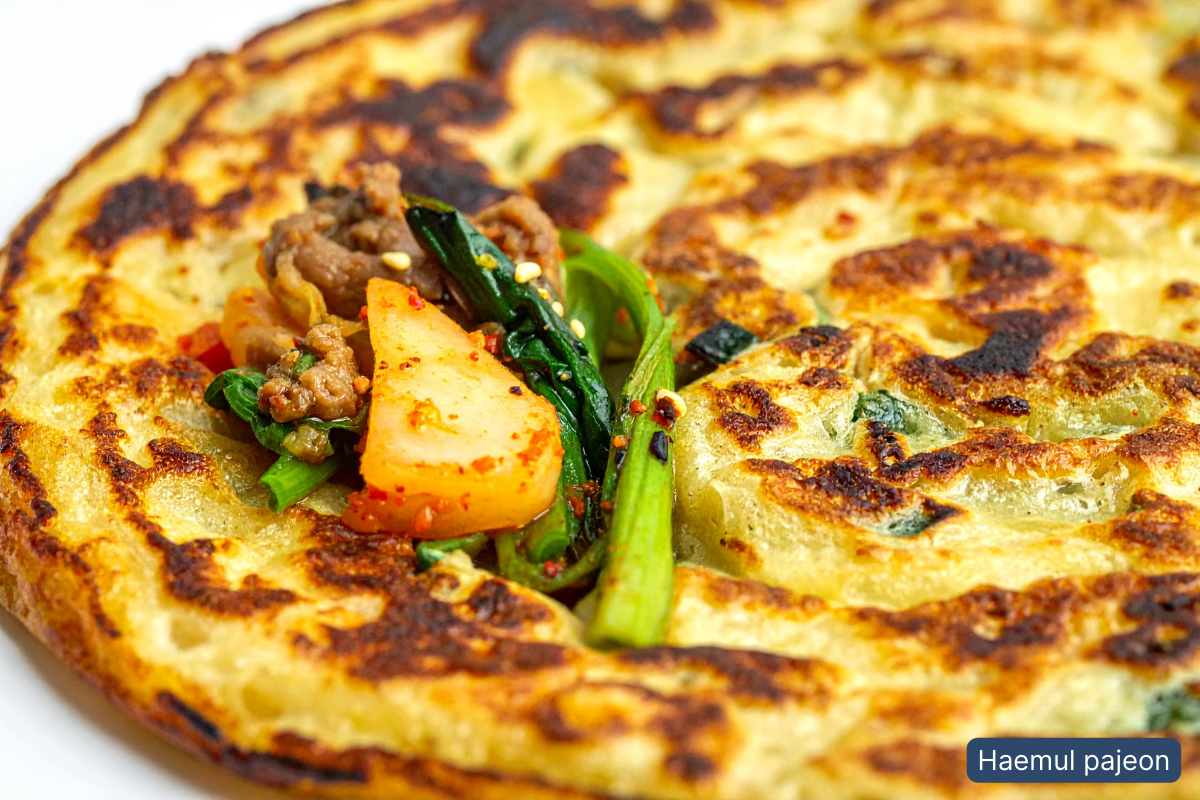
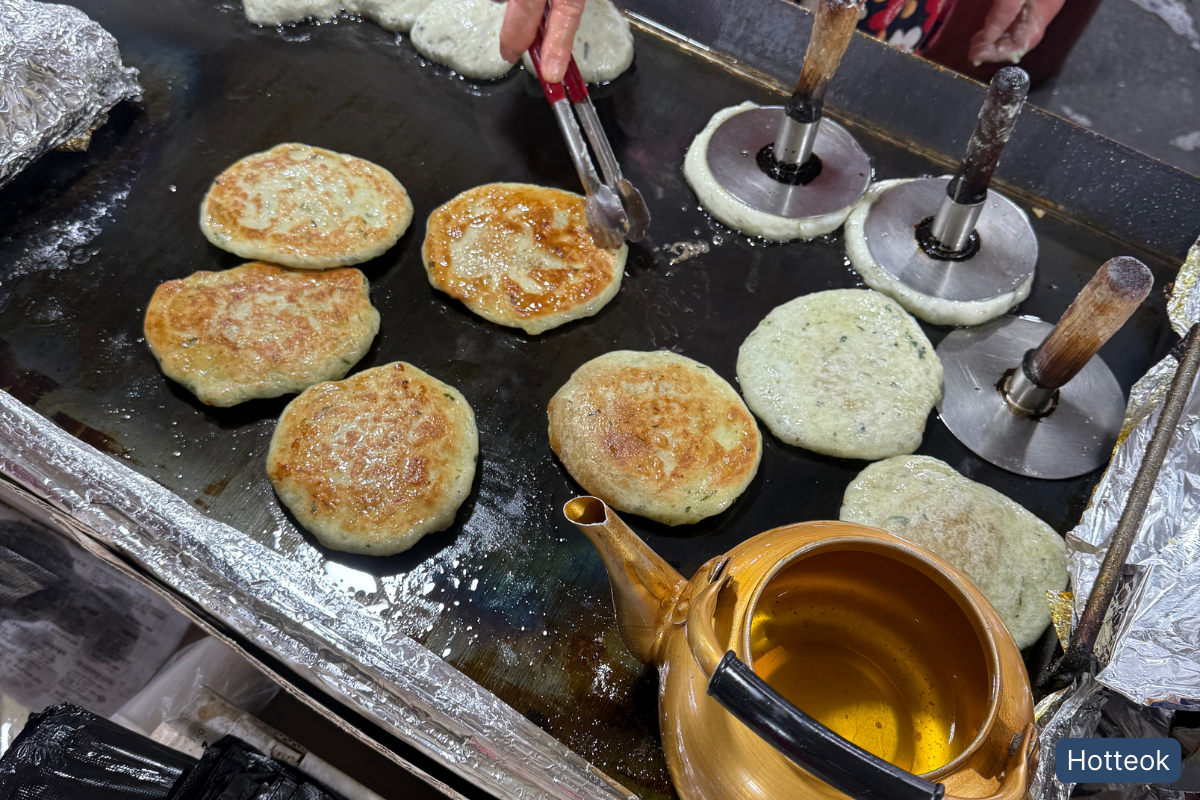
Where to focus your time
Seoul offers scale and diversity. Busan brings strong seafood influence. Jeonju is often associated with traditional cuisine and bibimbap.
What makes it worth travelling for
The contrast between a slow barbecue meal and a fast-moving market evening is part of what makes Korea compelling. Dining hours also stretch late, which changes the rhythm of your day.
Practical tip: Visit a traditional market during the day and return to a food district at night. The atmosphere shifts completely.
Mexico: Regional Depth Beyond the Stereotypes
Mexican cuisine is intensely regional. What you eat in Mexico City is different from Oaxaca, which is different again from the Yucatán.
Street food is not an afterthought. It is woven into daily life. Markets are often the most efficient way to understand a region’s identity.
What to eat
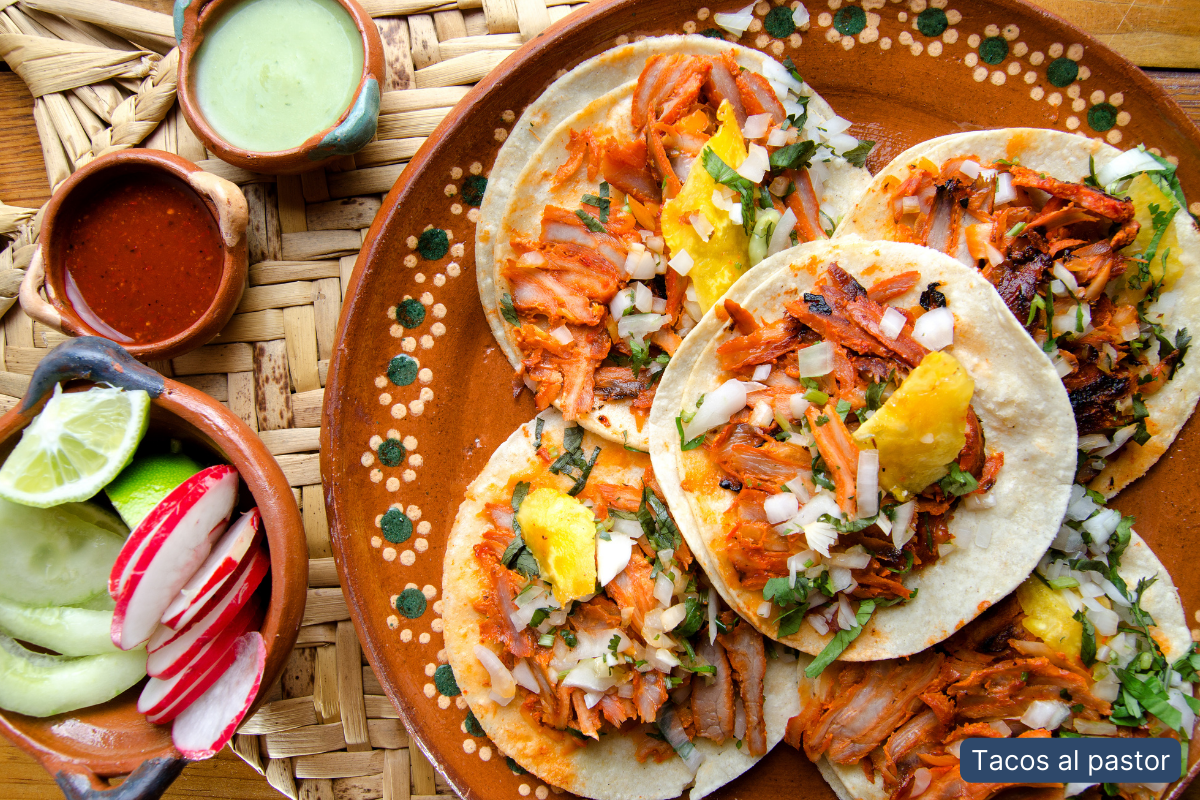
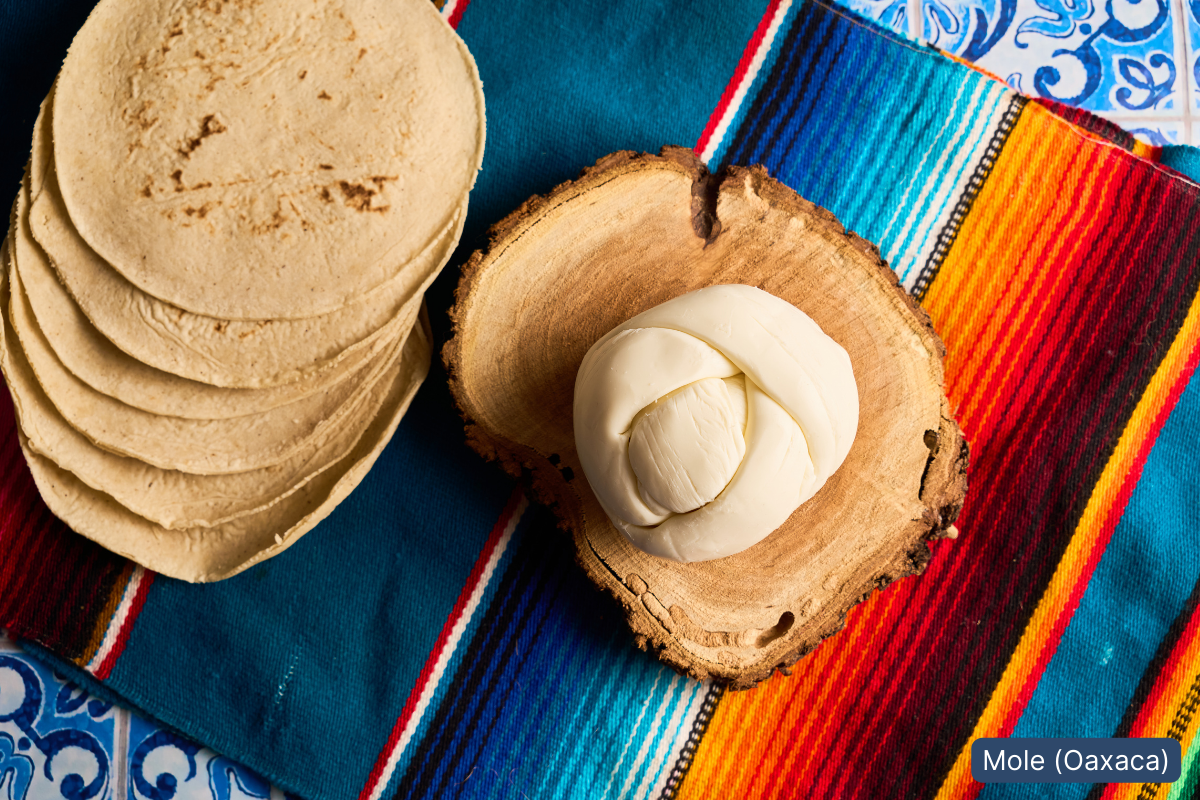
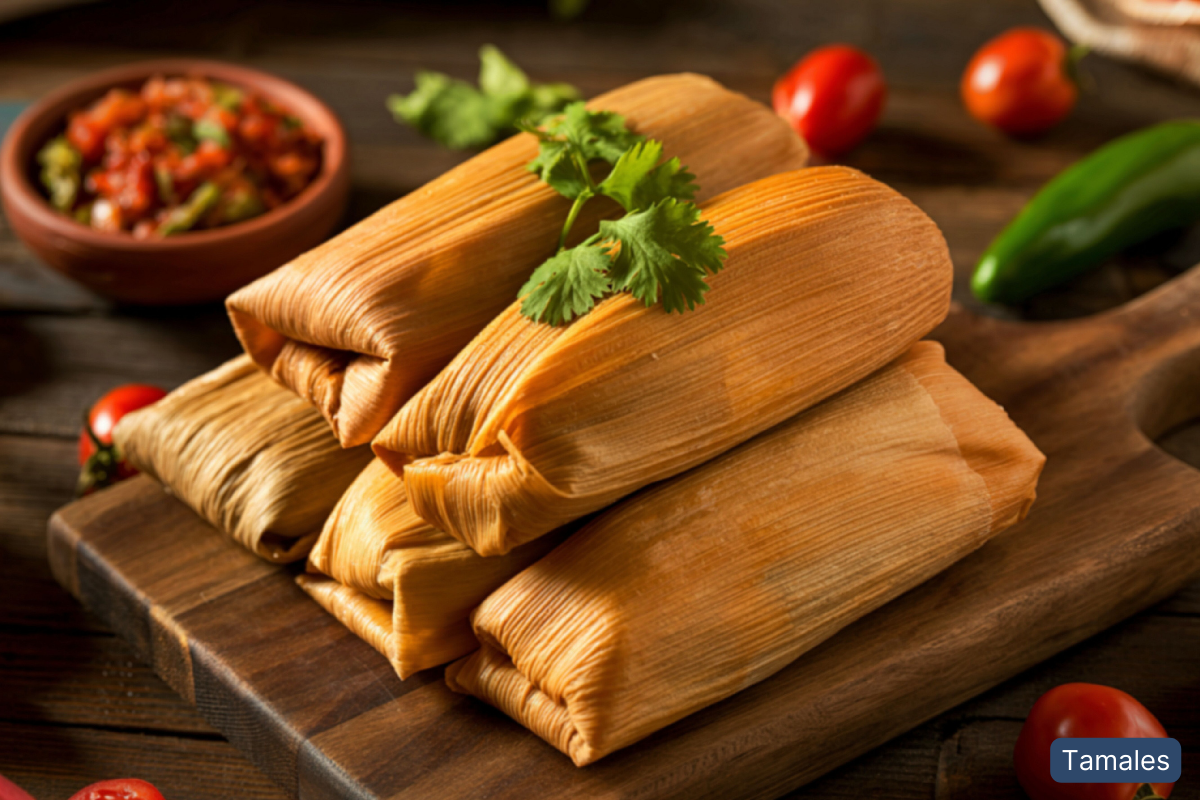
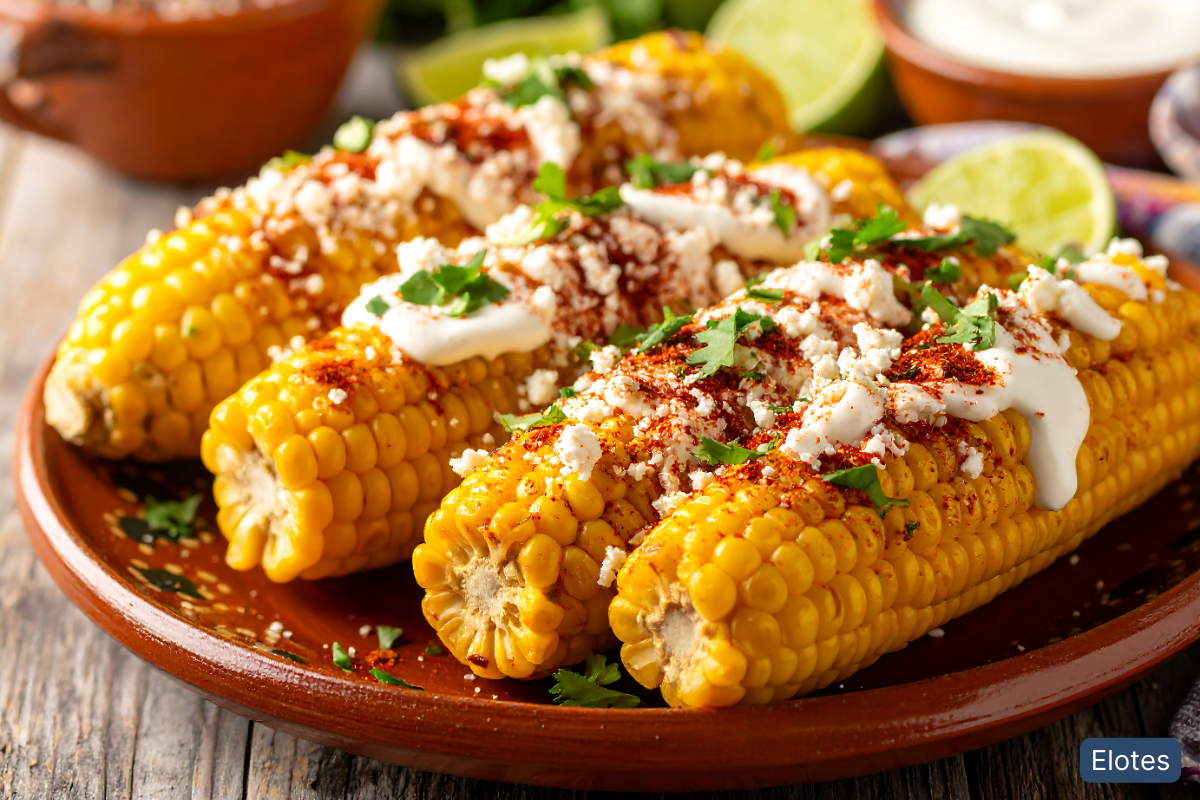
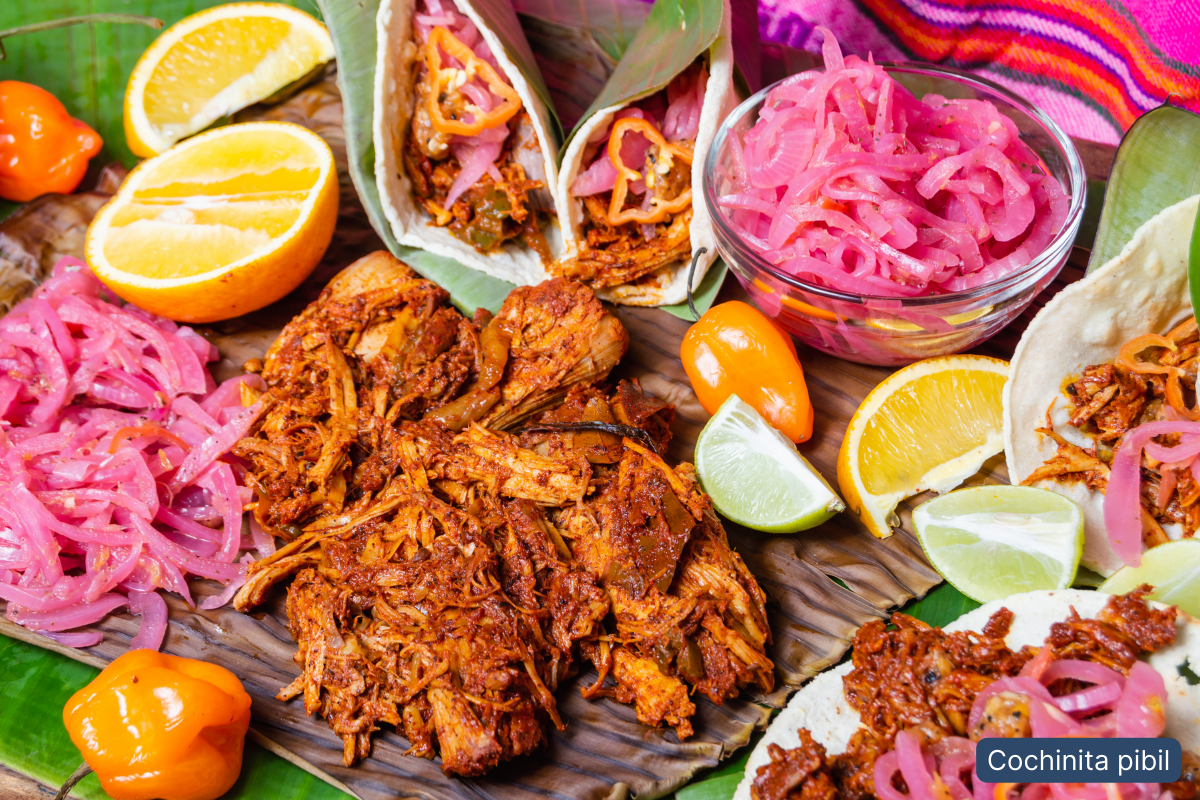
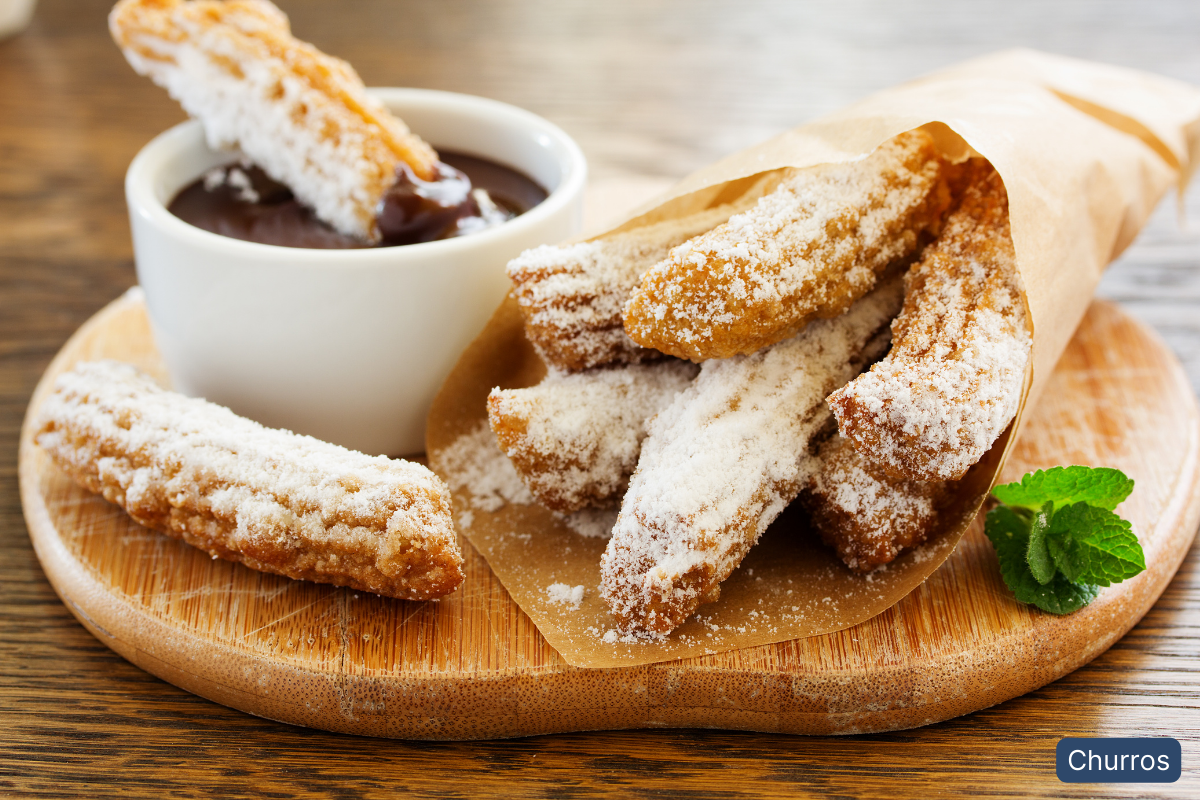
Where to focus your time
Mexico City’s neighbourhoods such as Roma and Coyoacán have strong local food cultures. Oaxaca is widely known for its moles and market scene. The Yucatán introduces a different flavour profile influenced by Mayan traditions.
What makes it worth travelling for
Even within one city, taco styles vary by neighbourhood. Markets such as Mercado 20 de Noviembre in Oaxaca make regional differences visible and accessible in one place.
Practical tip: Book one guided street food tour early in your stay, then revisit the stalls you enjoyed most independently.
Spain: Food as a Social Ritual
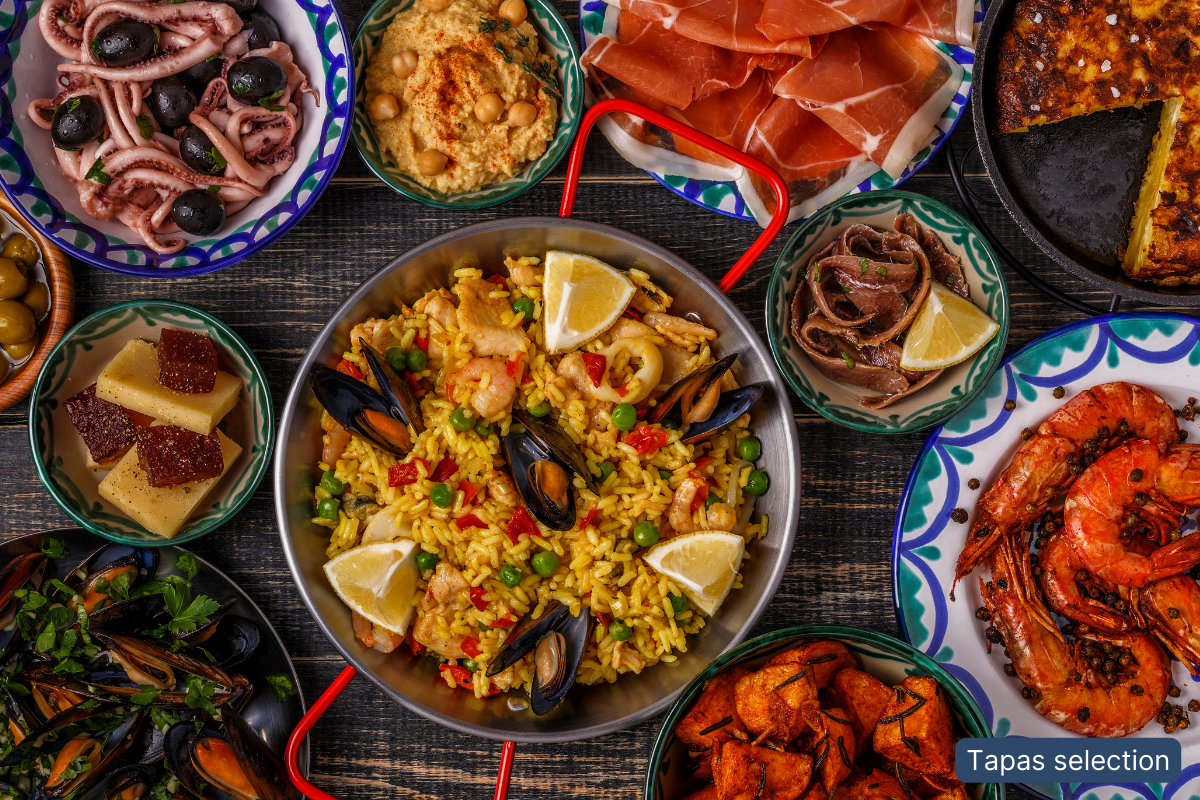
Spain’s dining culture is built around sharing and movement. Rather than committing to one restaurant, it is common to move from bar to bar, ordering small plates along the way.
Tapas culture varies across the country. In the Basque region, pintxos are often displayed on the bar, and you select what you want. In Madrid, classic tapas bars still serve traditional favourites in busy standing-room spaces.
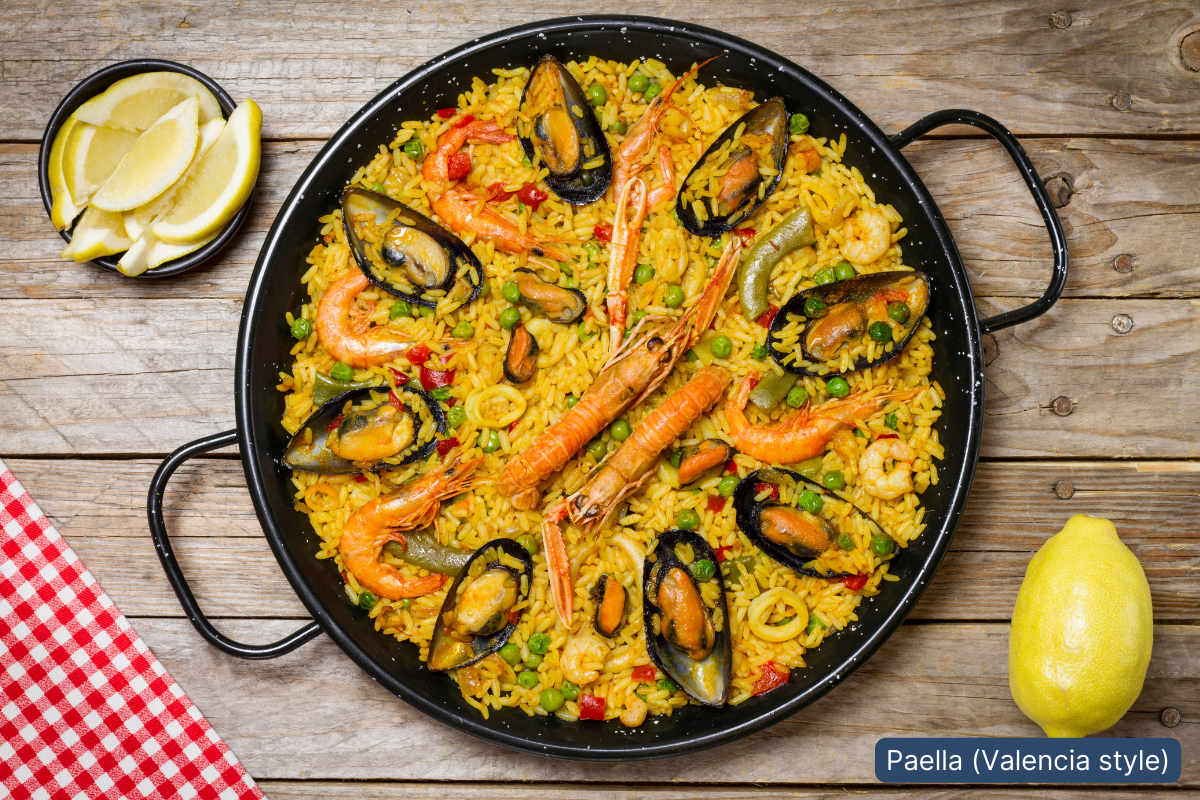
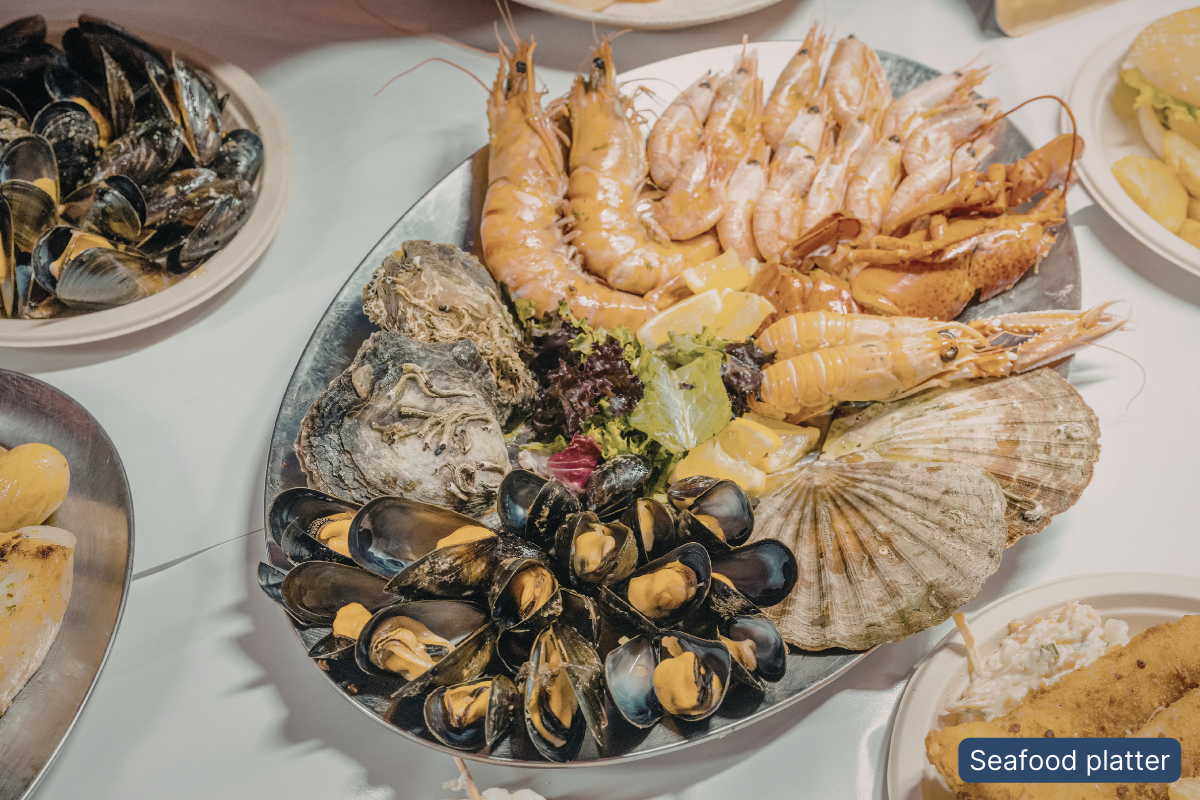
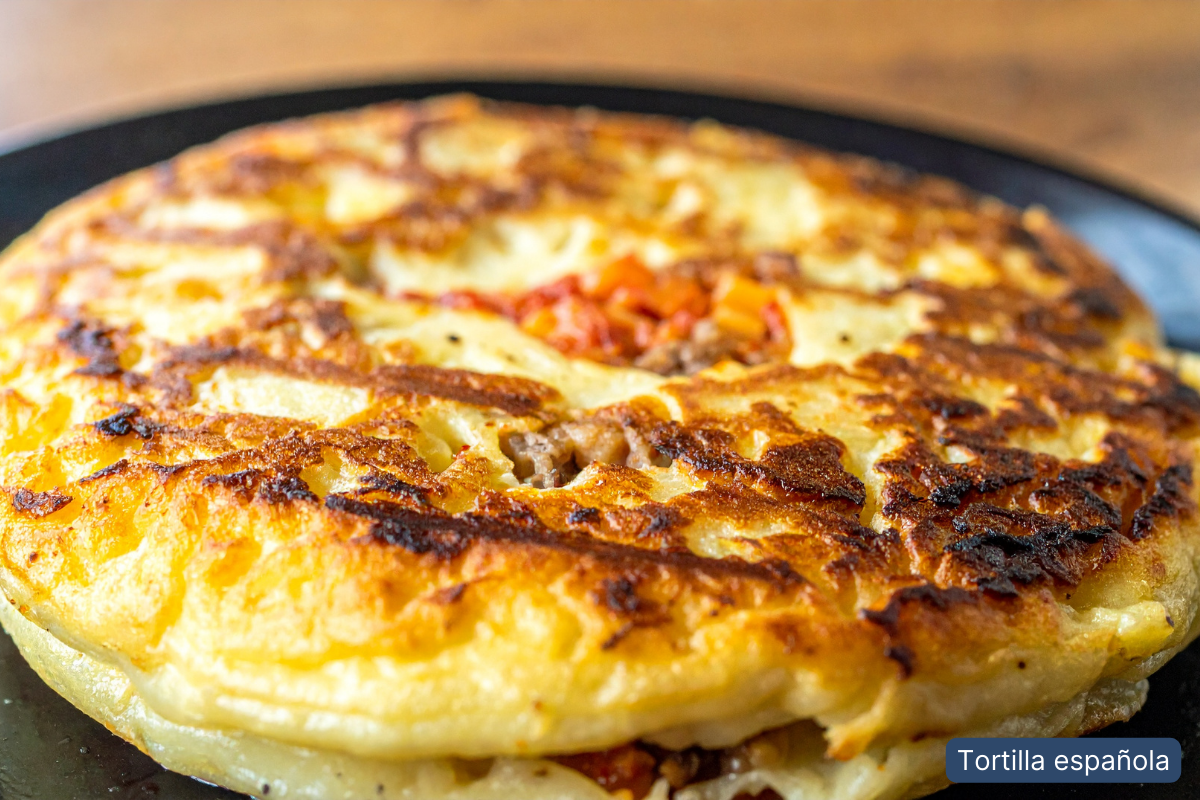
What to eat


Where to focus your time
Barcelona offers markets and coastal influence. Madrid leans traditional. San Sebastián is internationally recognised for its pintxos culture.
What makes it worth travelling for
The act of bar-hopping is part of the meal. You may eat small portions across several venues rather than sitting down once. The pace is relaxed and conversation is central.
Practical tip: Stand at the bar rather than waiting for a table. It is often where the most local energy sits.
Japan: Seasonality, Craft and Everyday Detail
Japan’s food culture is often highlighted in cinema and travel writing for good reason. There is strong attention to detail, seasonality and presentation, even in casual settings.
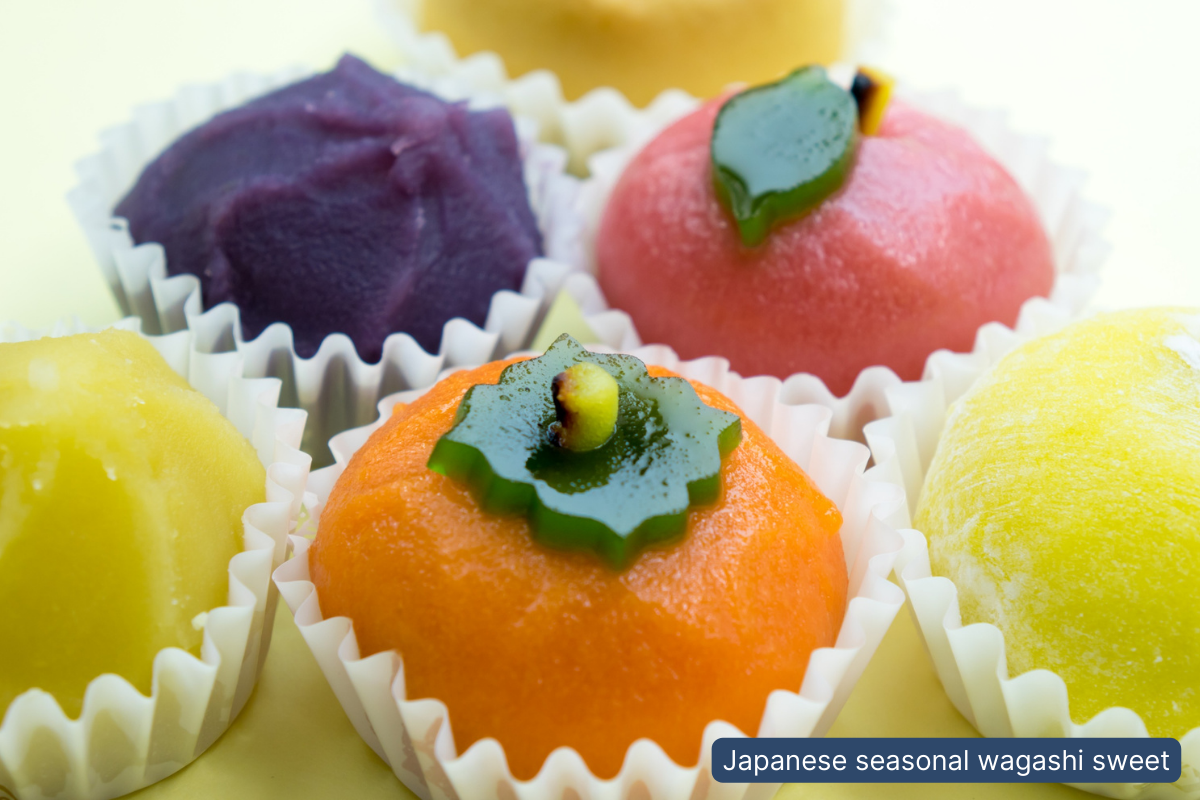
What makes Japan particularly rewarding is the way food reflects the time of year. Seasonal ingredients appear in limited runs, and menus adjust accordingly.
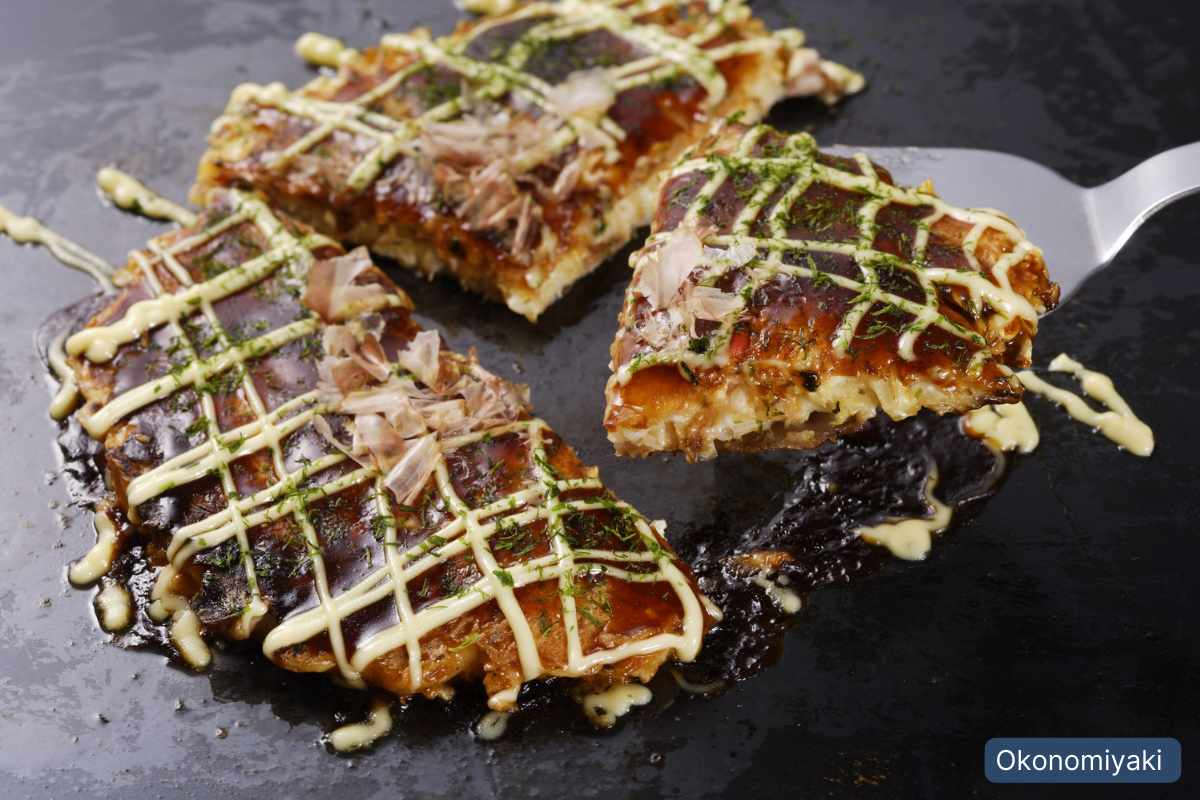
What to eat
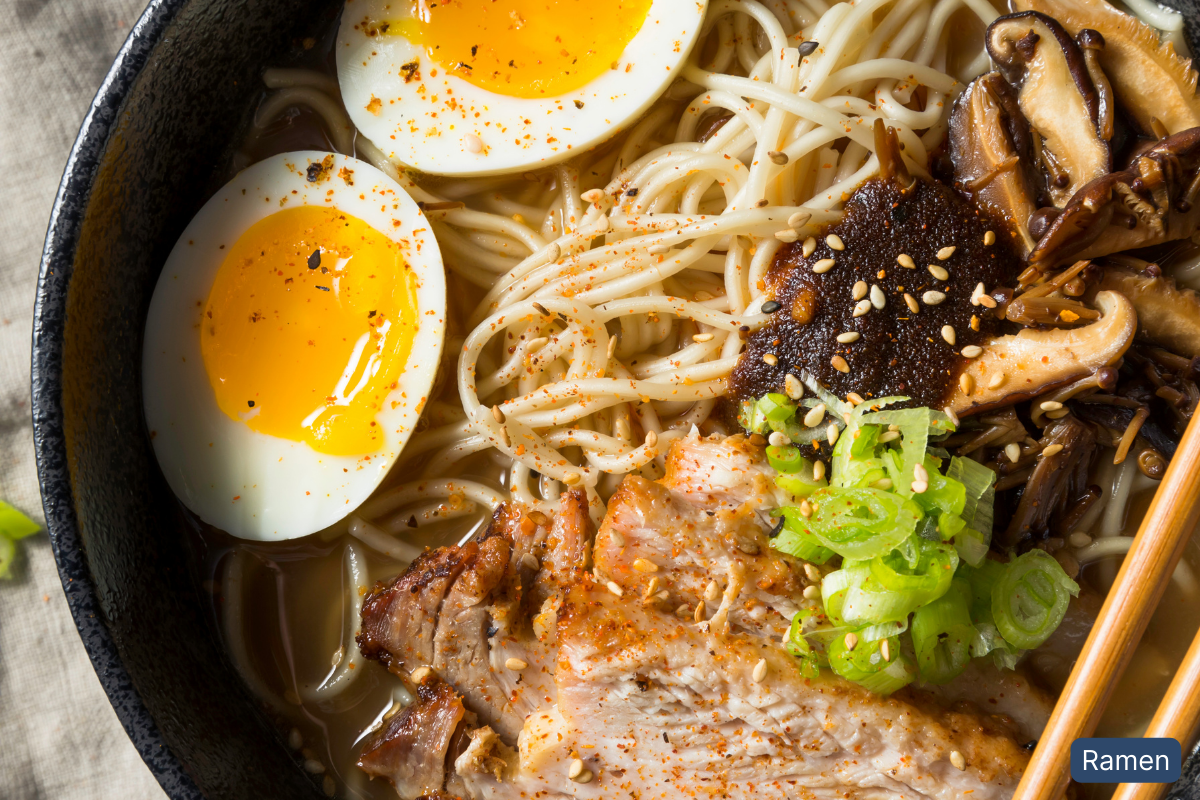
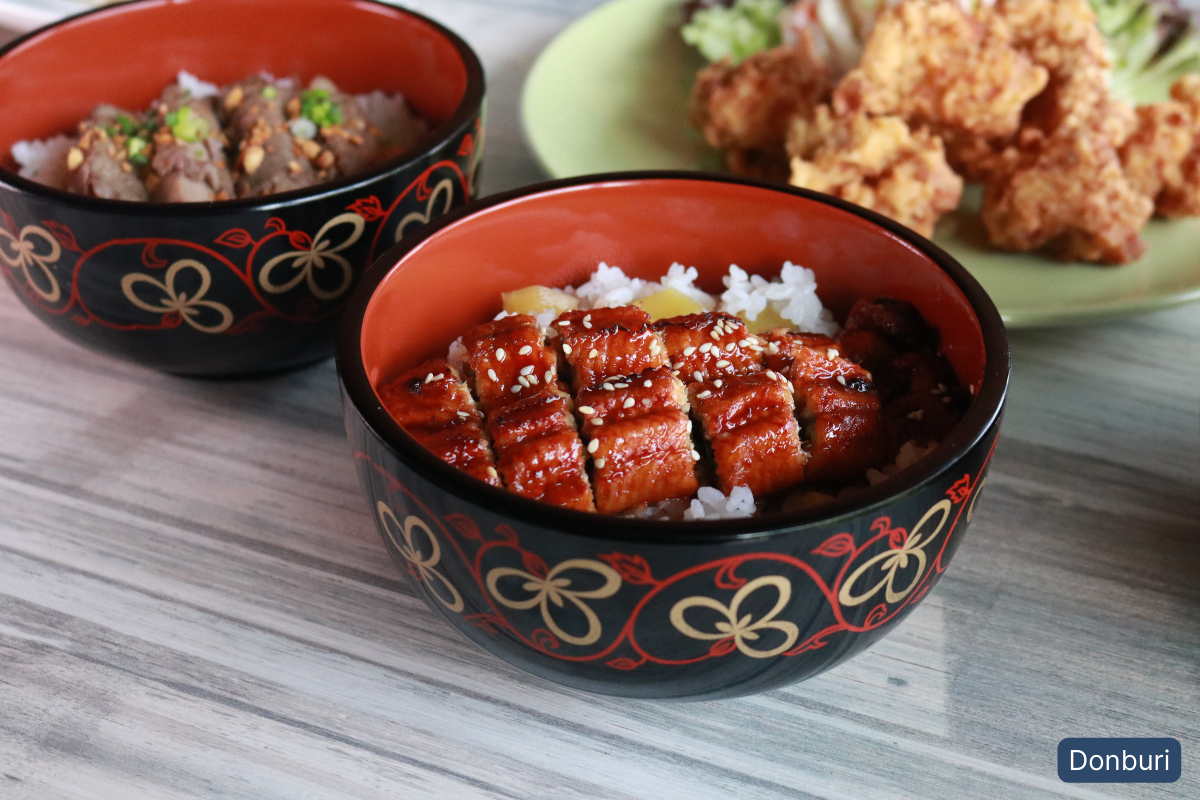
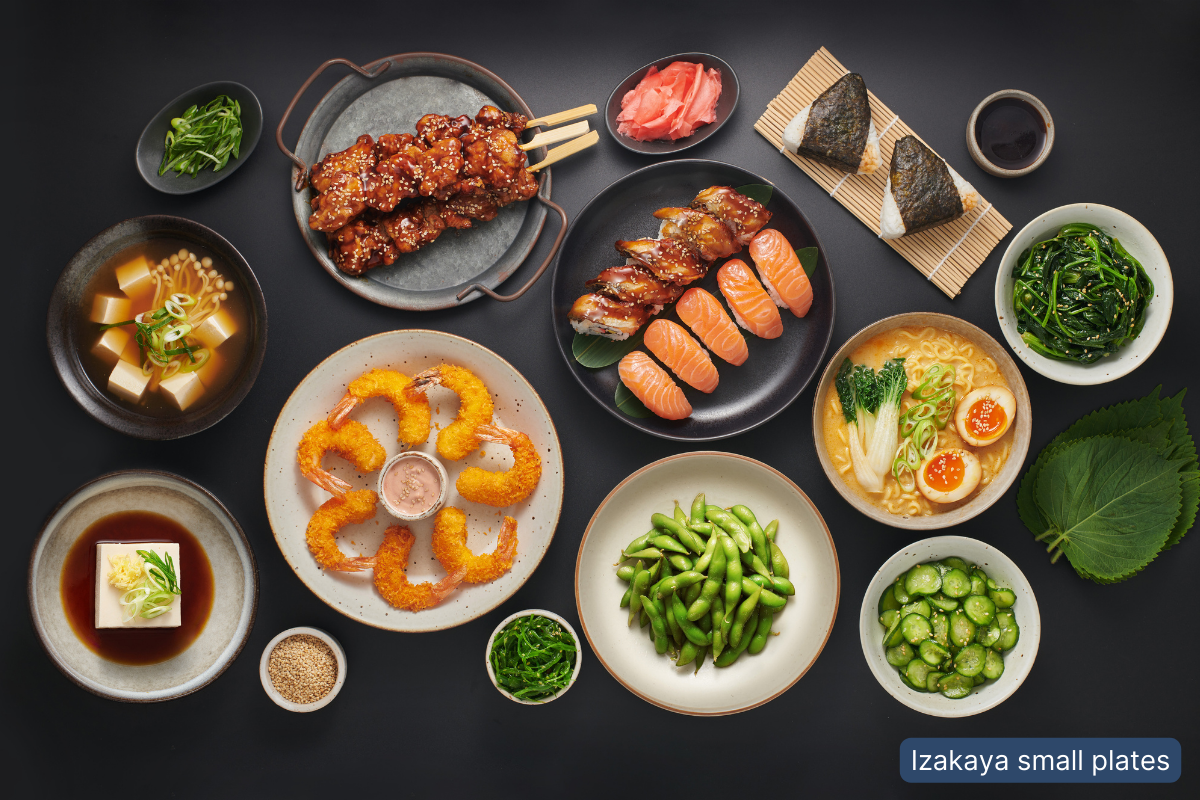
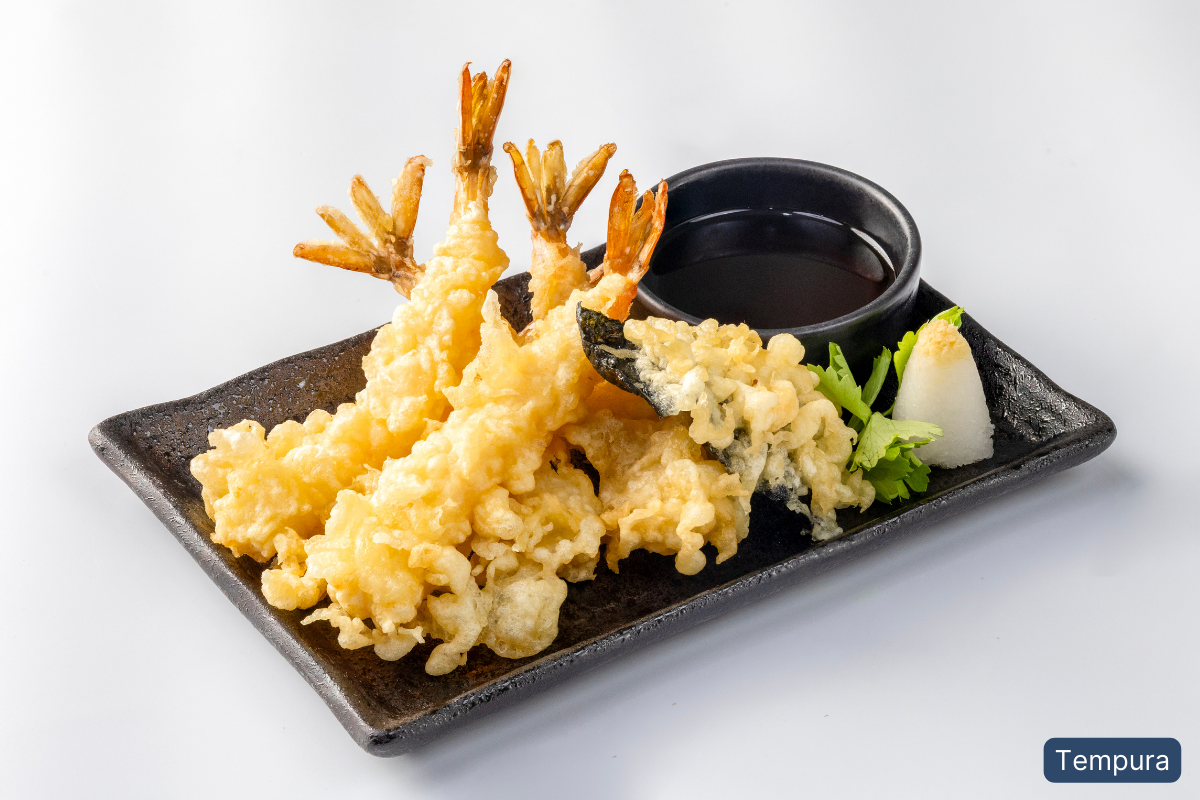
Where to focus your time
Tokyo offers extraordinary range. Osaka is known for its relaxed and casual eating culture. Kyoto emphasises traditional cuisine and seasonal ingredients.
What makes it worth travelling for
Convenience store food is surprisingly well executed. Department store food halls are curated and detailed. Even everyday meals are approached with care.
Practical tip: Pay attention to seasonal specials listed outside restaurants. They often signal what is at its best at that moment.
Planning a Food-Focused Trip
The most memorable food trips are rarely built around a rigid list. They are built around curiosity and flexibility.
Research a handful of local dish names before you go. Visit both major markets and smaller neighbourhood ones. Return to places you enjoy rather than constantly searching for something new. Choose busy, modest venues over beautiful empty ones.
Food has a way of shaping how you remember a place. Long after you return home, it is often the meals, markets and unexpected discoveries that stay with you.
Things to Consider Before You Travel
Overseas travel often involves flights, accommodation and pre-booked experiences, especially when your trip includes food tours, cooking classes or restaurant bookings. If you're planning an international holiday, it can be worth considering travel insurance as part of your trip planning.
AANT Travel Insurance can provide cover for a range of unexpected situations while travelling overseas, such as cancellations, delays or lost and stolen luggage, depending on the policy selected#. Having appropriate cover in place may provide additional confidence while you’re away.
# Terms, conditions (including eligibility criteria), limits, sub-limits and exclusions apply. Refer to combined PDS/FSG for full details.
Disclaimer - Travel Insurance
Automobile Association of Northern Territory Inc (ABN 13 431 478 529, AR No. 433569) (AANT) is an authorised representative of the AANT Travel Insurance insurer Tokio Marine & Nichido Fire Insurance Co., Ltd. (ABN 80 000 438 291 AFSL 246 548) (Tokio Marine). Tokio Marine Management (Australasia) Pty Ltd (ABN 69 001 488 455, AR No. 1313066) is an authorised representative of Tokio Marine, and administers AANT Travel Insurance as the managing agent on behalf of Tokio Marine.
Terms, conditions (including eligibility criteria), exclusions, limits and sub-limits apply. Any advice is general advice only and does not take into account your specific objectives, financial situation or needs. Before you purchase, please consider the Combined Product Disclosure Statement (PDS) / Financial Services Guide (FSG) and Target Market Determinations (TMDs), available on the AANT website or on request from AANT.